COMPANY
Finfare
ROLE
Product Designer
TEAM
PM (2), Compliance, Design(2), Eng
TIMELINE
3 x 2 week sprints
Overview
The Opportunity
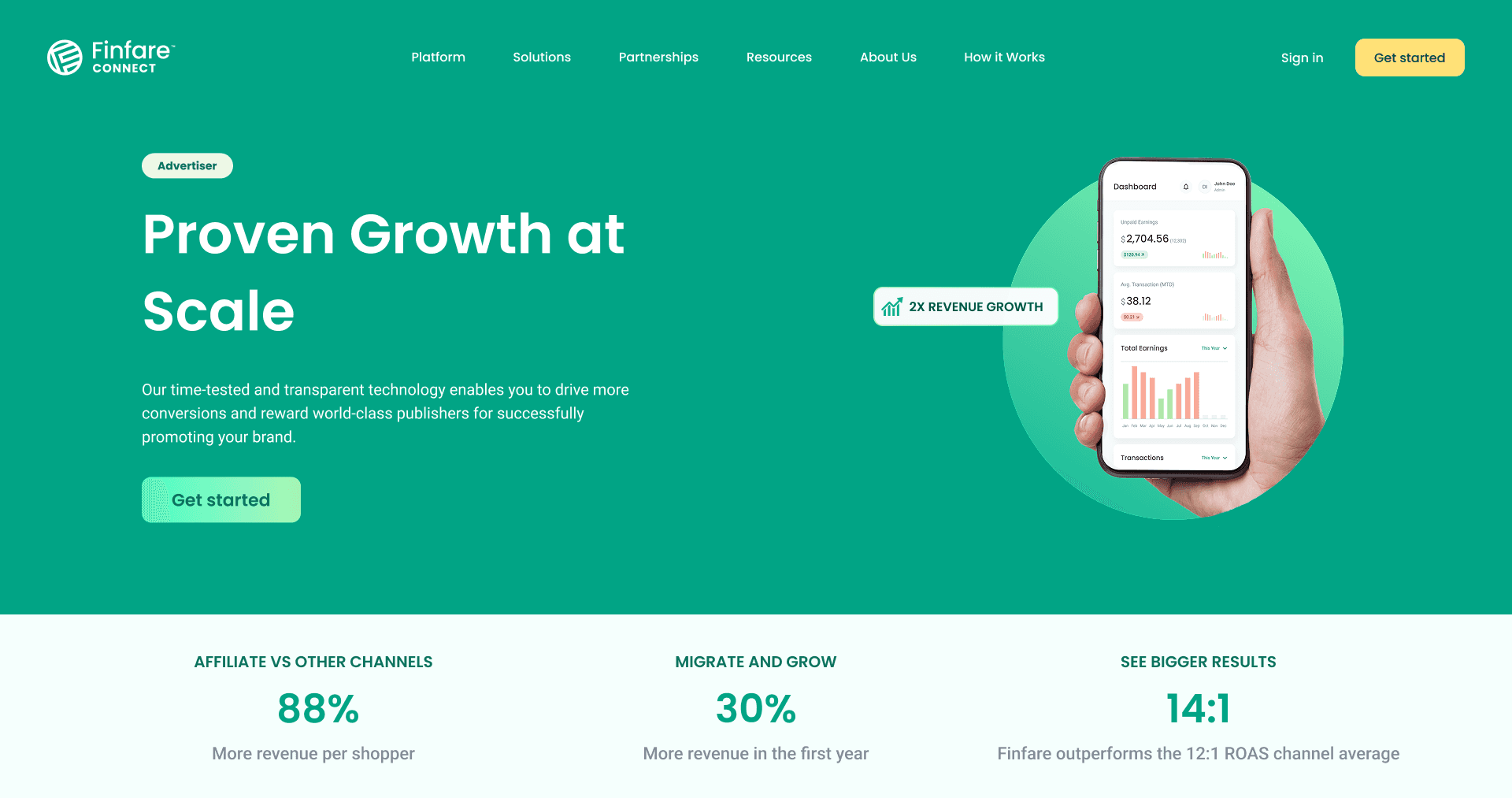
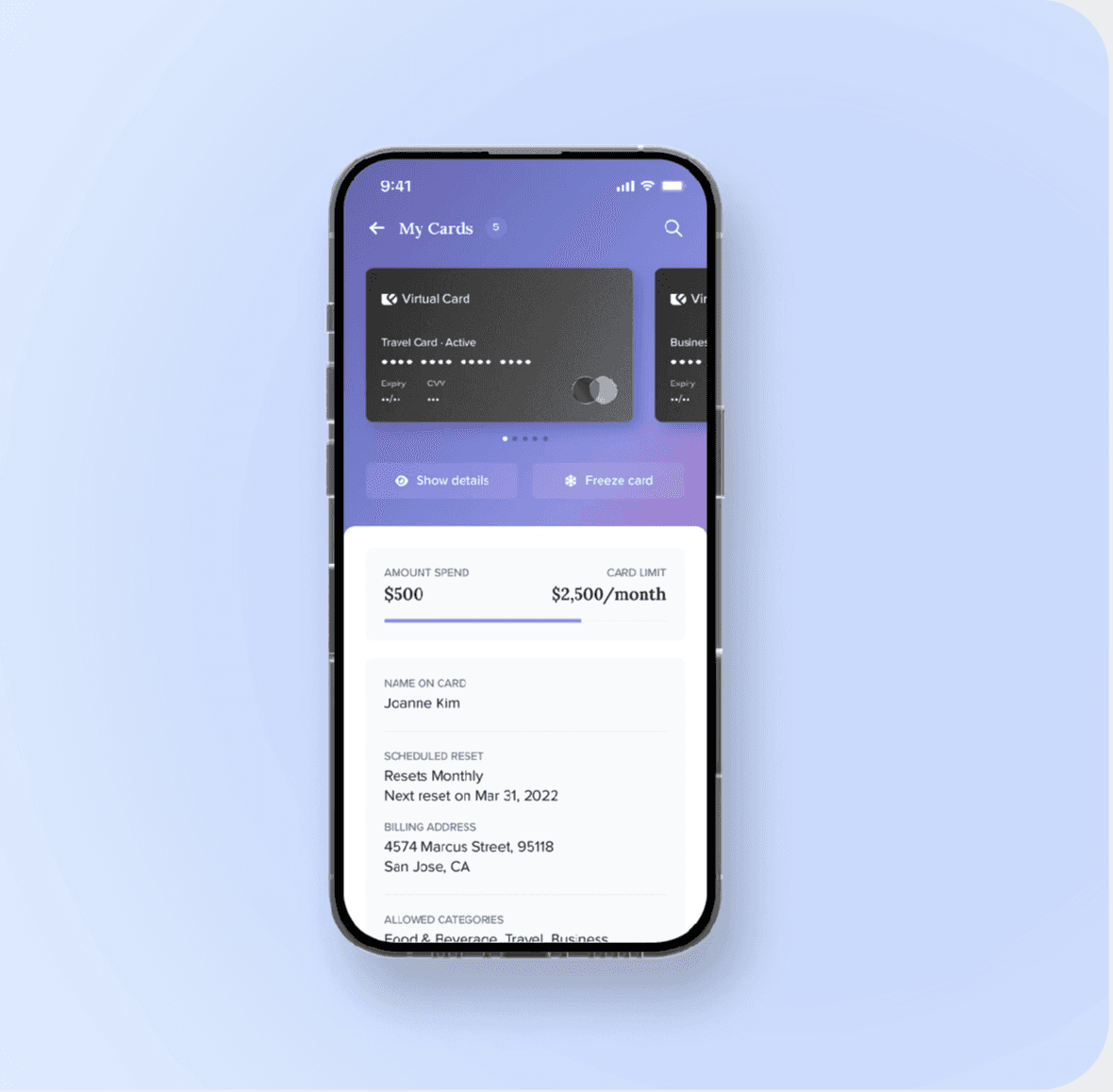
Finfare acquired Network B, a card-linked offers platform, and integrated it into Finfare’s product portfolio as Finfare Connect. Network B’s platform already connected 28+ publisher partners and enabled 4 million customers to access 700+ offers, giving Finfare a strong foothold in the fintech rewards ecosystem.
Finfare Connect’s mission is to help advertisers launch payment-linked promotions and distribute them across multiple publisher partners from a single platform, while also converting existing Finfare Money users into active Connect users.
Context
A critical first step for advertisers
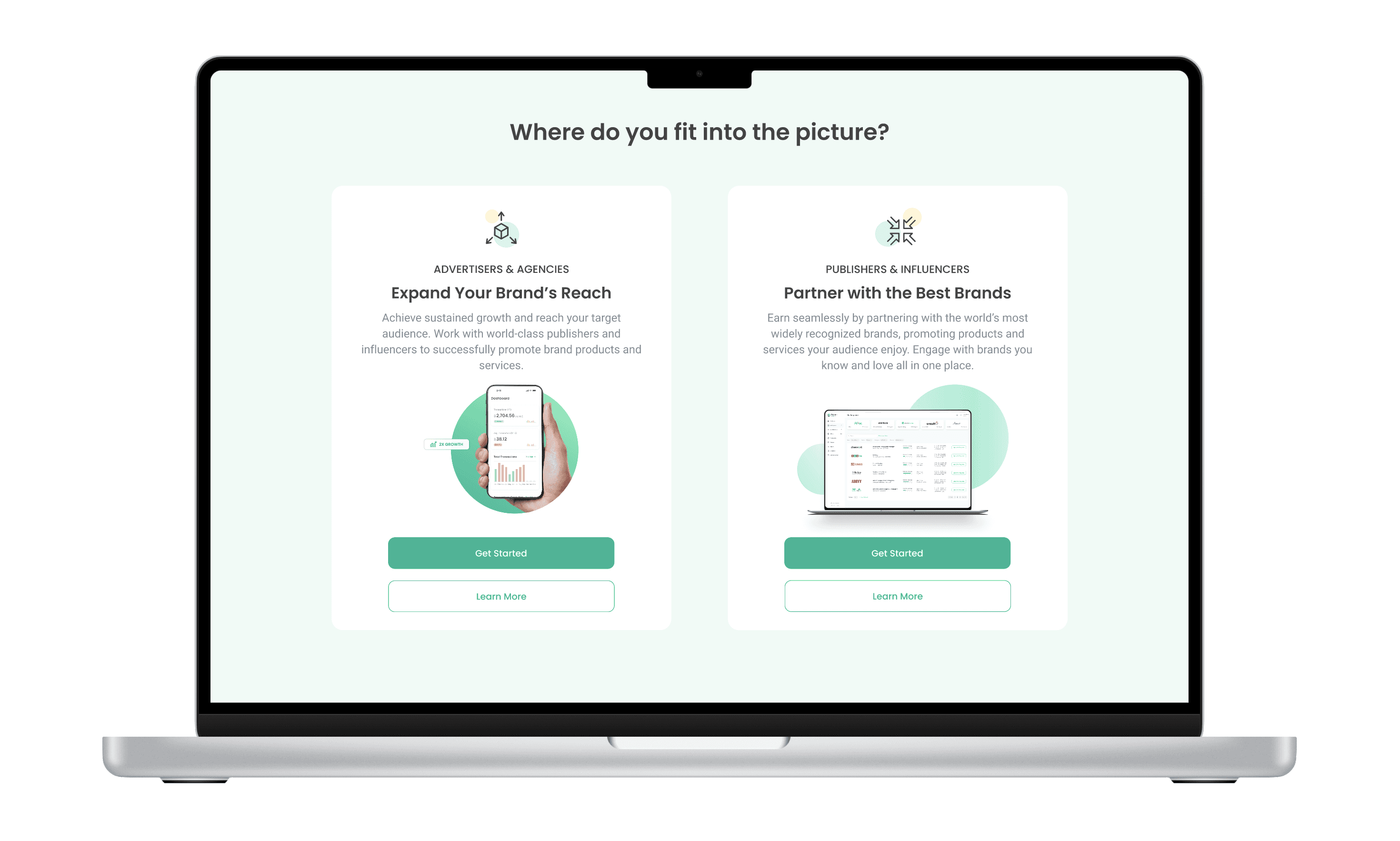
Finfare Connect was built to help advertisers launch personalized, payment-linked promotions and distribute them across multiple publisher partners from a single platform. The team saw advertiser onboarding as the foundation of Finfare Connect. But getting started required advertisers to move through a complex, unfamiliar process. Even existing Finfare Money users were asked to complete the same steps as new advertisers, adding friction at a moment when clarity and momentum mattered most.
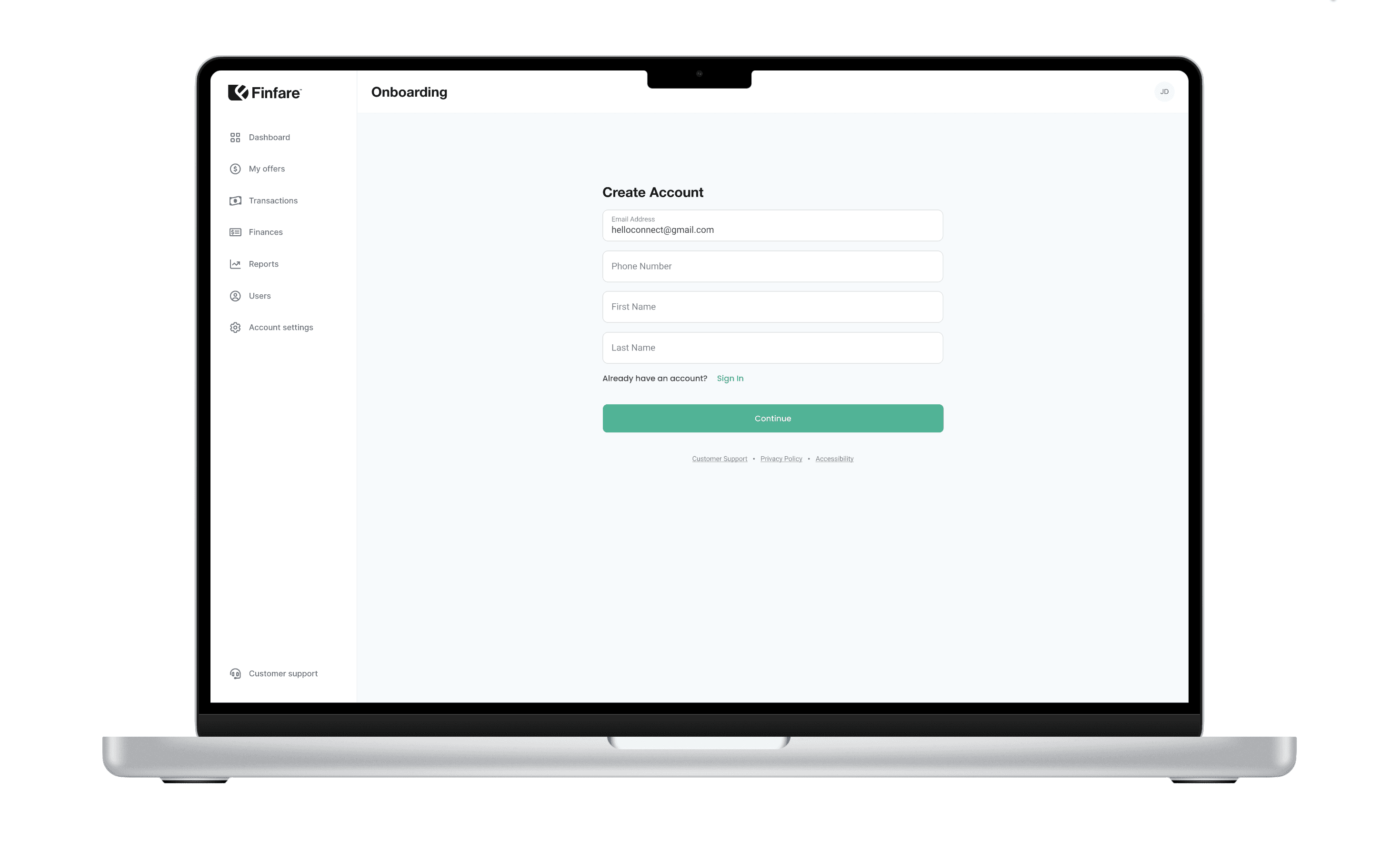
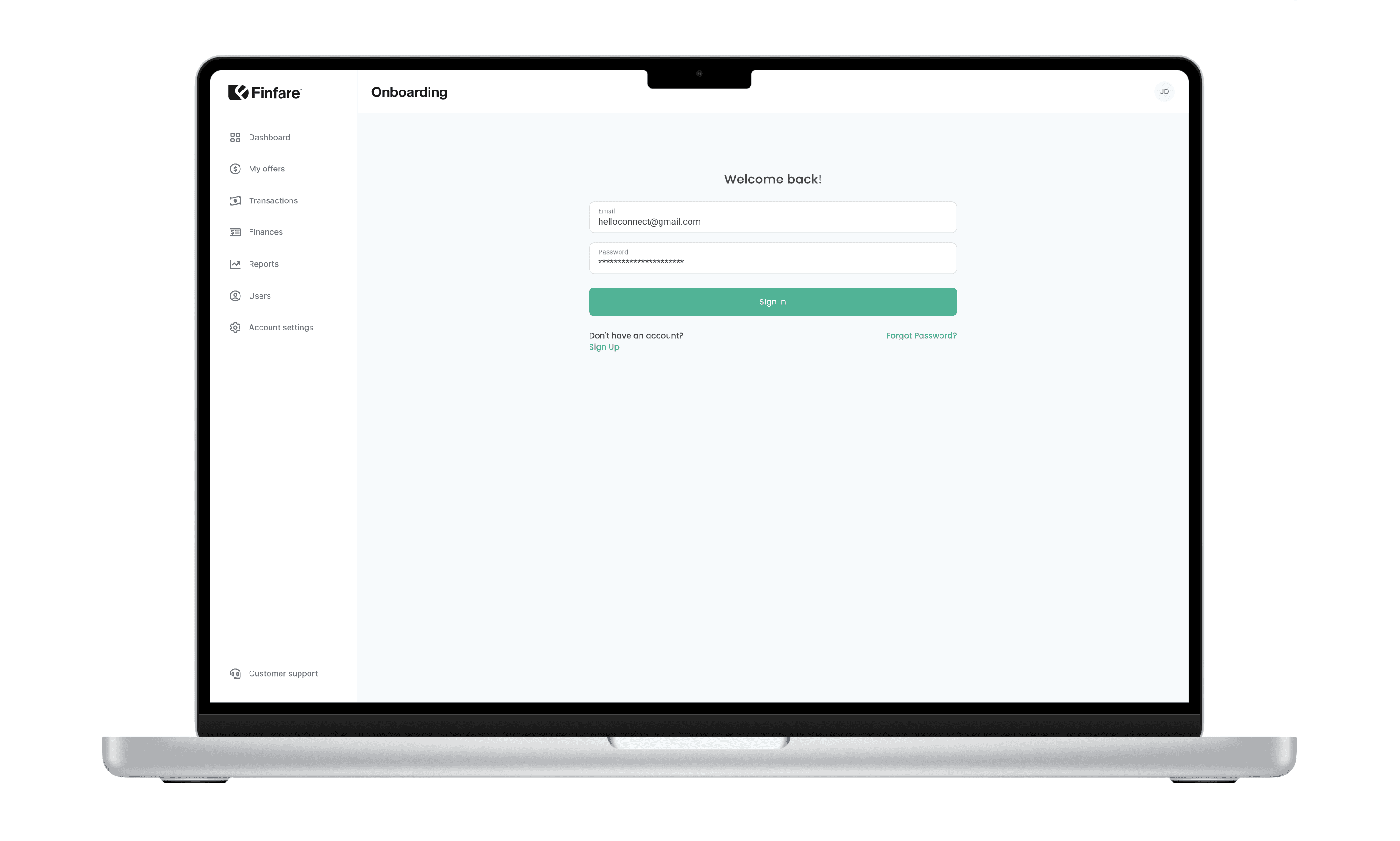
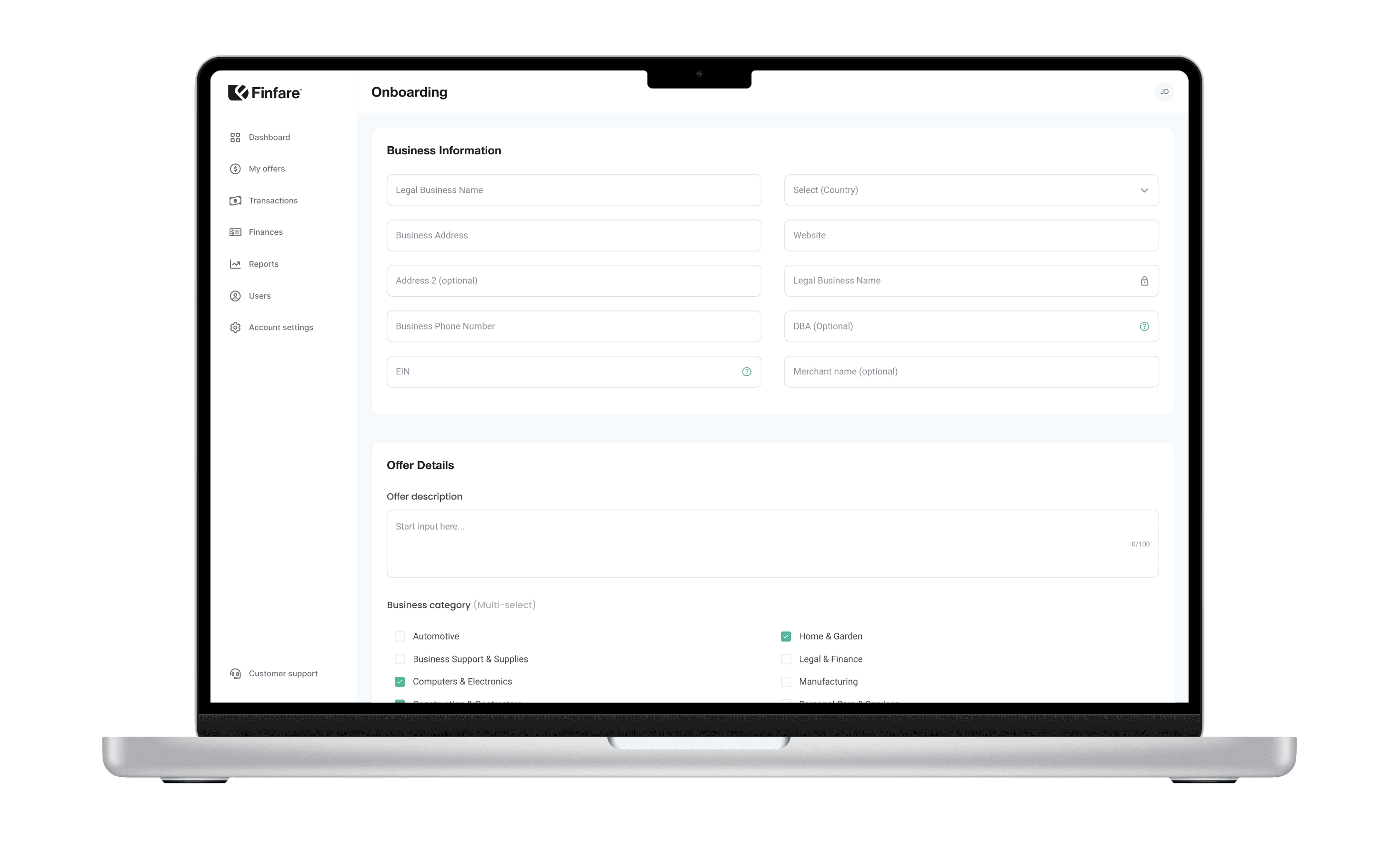
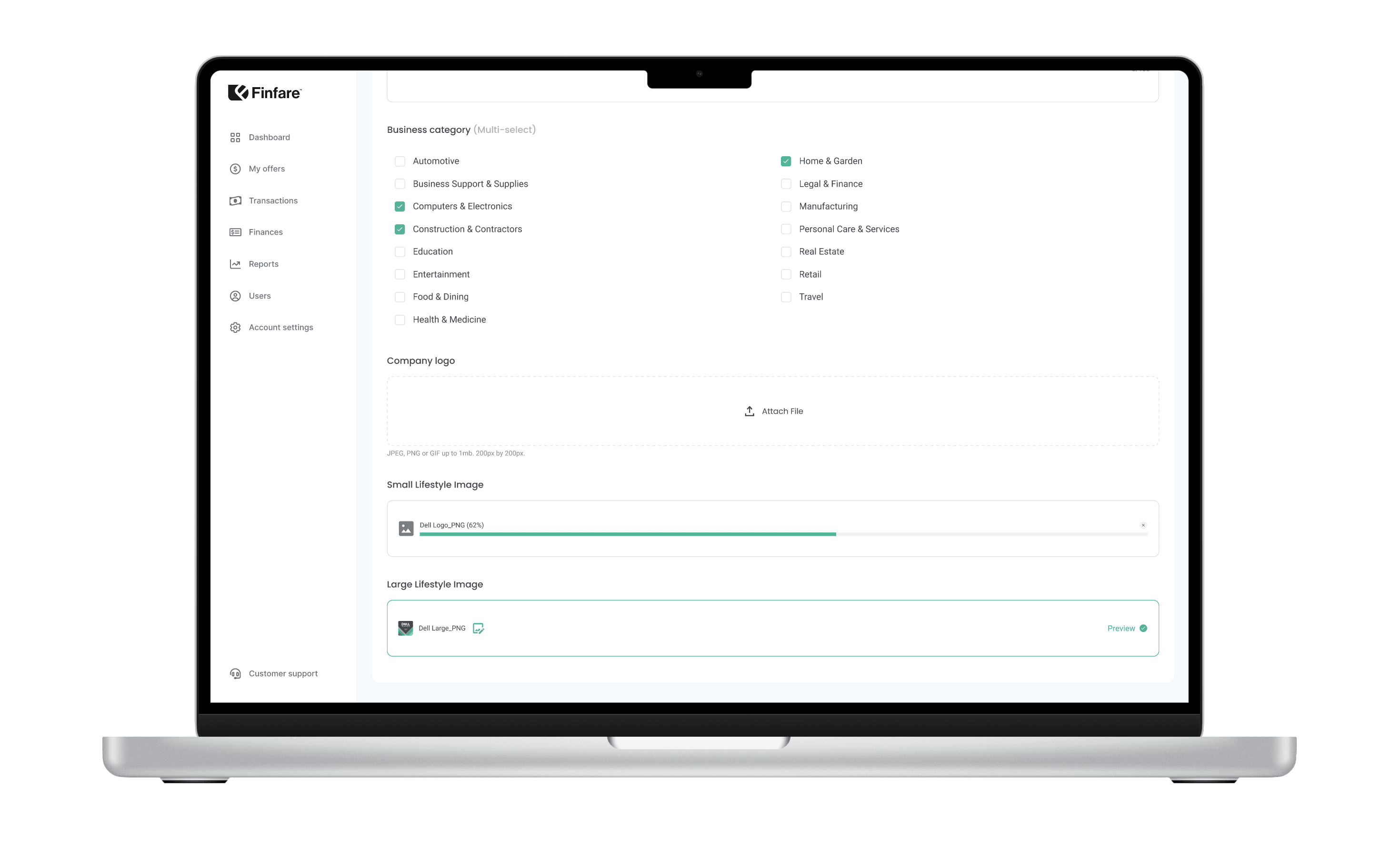
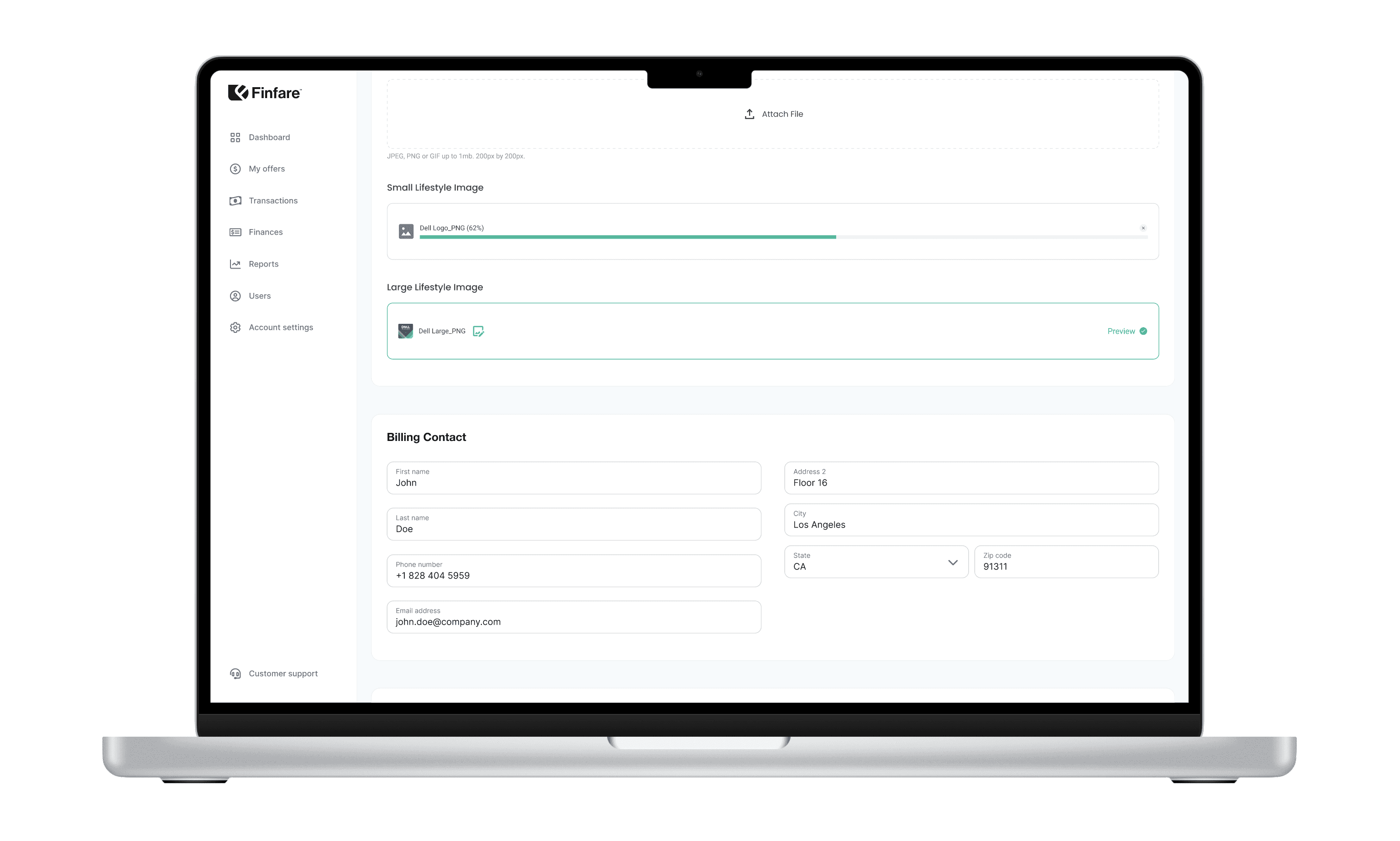
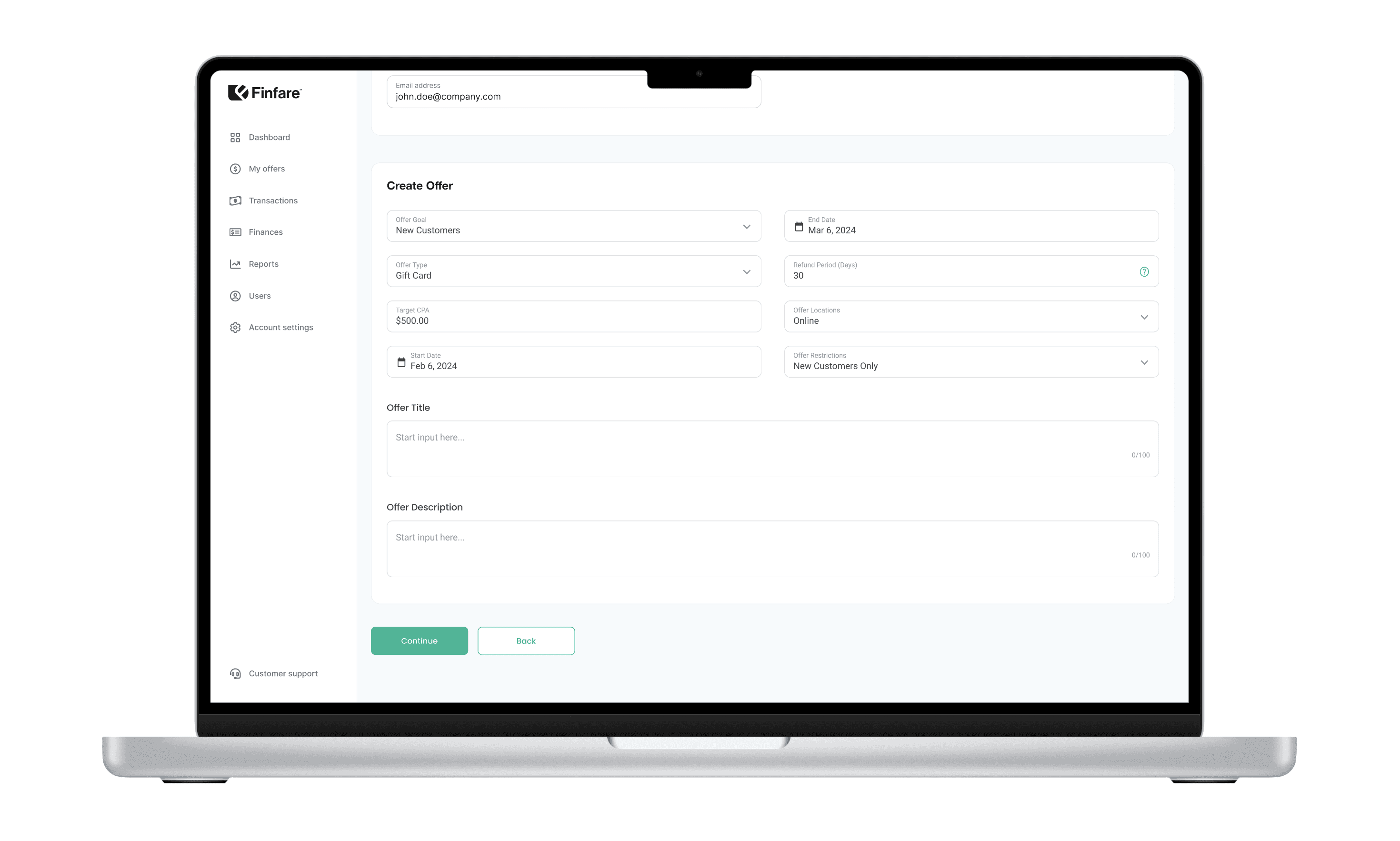
Previous Onboarding Flow
Business Goals
Simplifying Compliance + Reducing Drop-off
Advertiser onboarding had to balance simplicity with strict business and compliance requirements. The goal was to make advertiser onboarding easier to understand and faster to complete, without removing critical business and compliance requirements. At the same time, we aimed to reduce drop-off during onboarding, help advertisers reach their first promotion more quickly, and create a smoother conversion path for existing Finfare Money users compared to net-new advertisers.
VALIDATE ORIGINAL DESIGN
5x Complexity Design Problems
01/
High drop-off in a complex flow
The previous onboarding was a single, extremely long form that was difficult to complete. Data showed a ~65% drop-off rate, with average completion time around 46 minutes. Most advertisers abandoned the process at the critical “create offer” step, causing a significant loss of brand users.
65%
Drop-off rate
46 minutes
avg completion
02/
Complex offer creation
Advertiser offers included many conditions, and qualifications needed fast verification. Each field required careful input, but instructions and examples were missing, making many questions hard to understand. This led to frequent errors, frustration, and a heavier workload for customer support.
03/
No visibility or preview
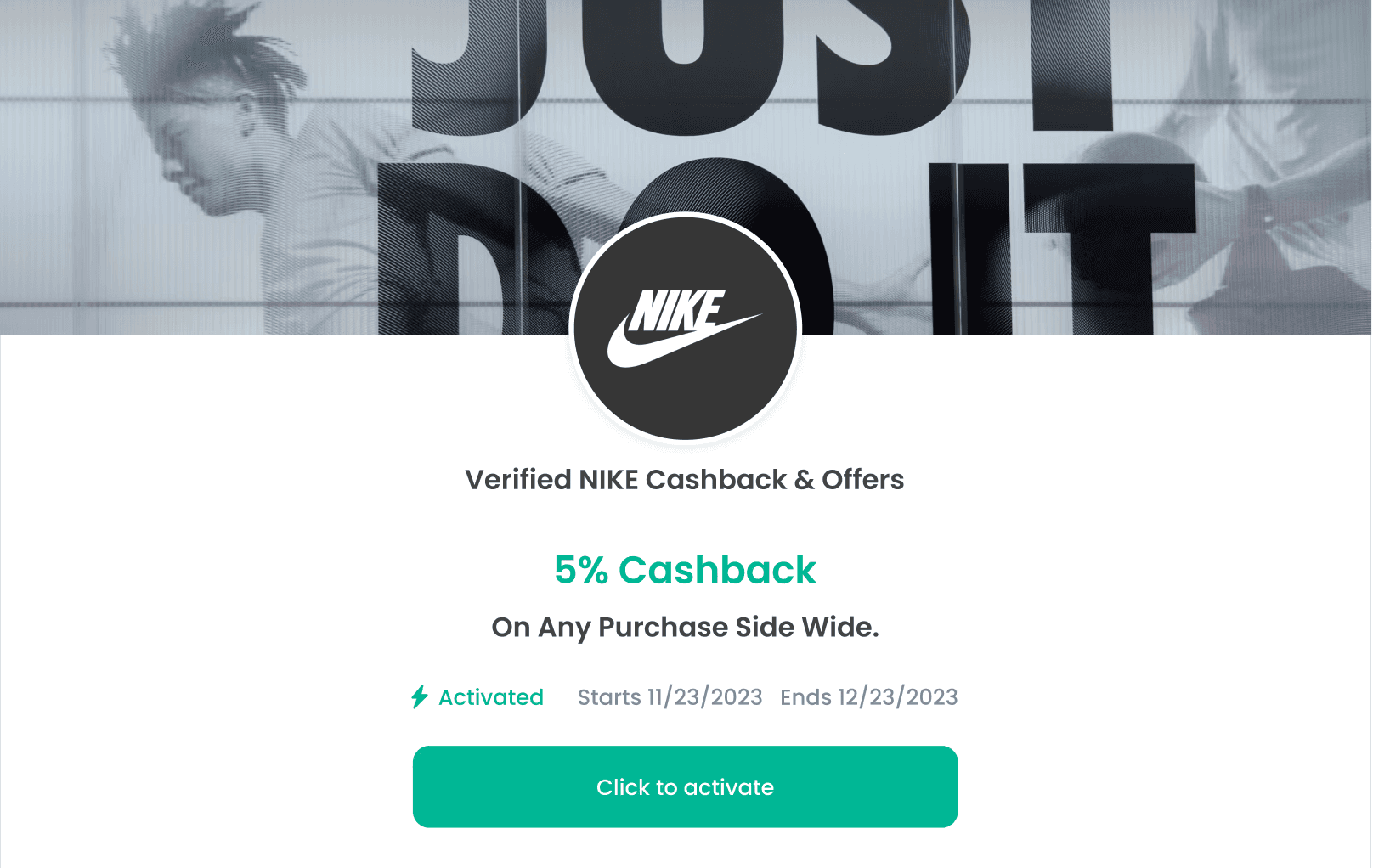
After completing the form, advertisers had no way to see how their promotion would appear on the platform. There was no preview or editing opportunity, leaving users unsure about the final output. This uncertainty reduced confidence and slowed completion of critical tasks.
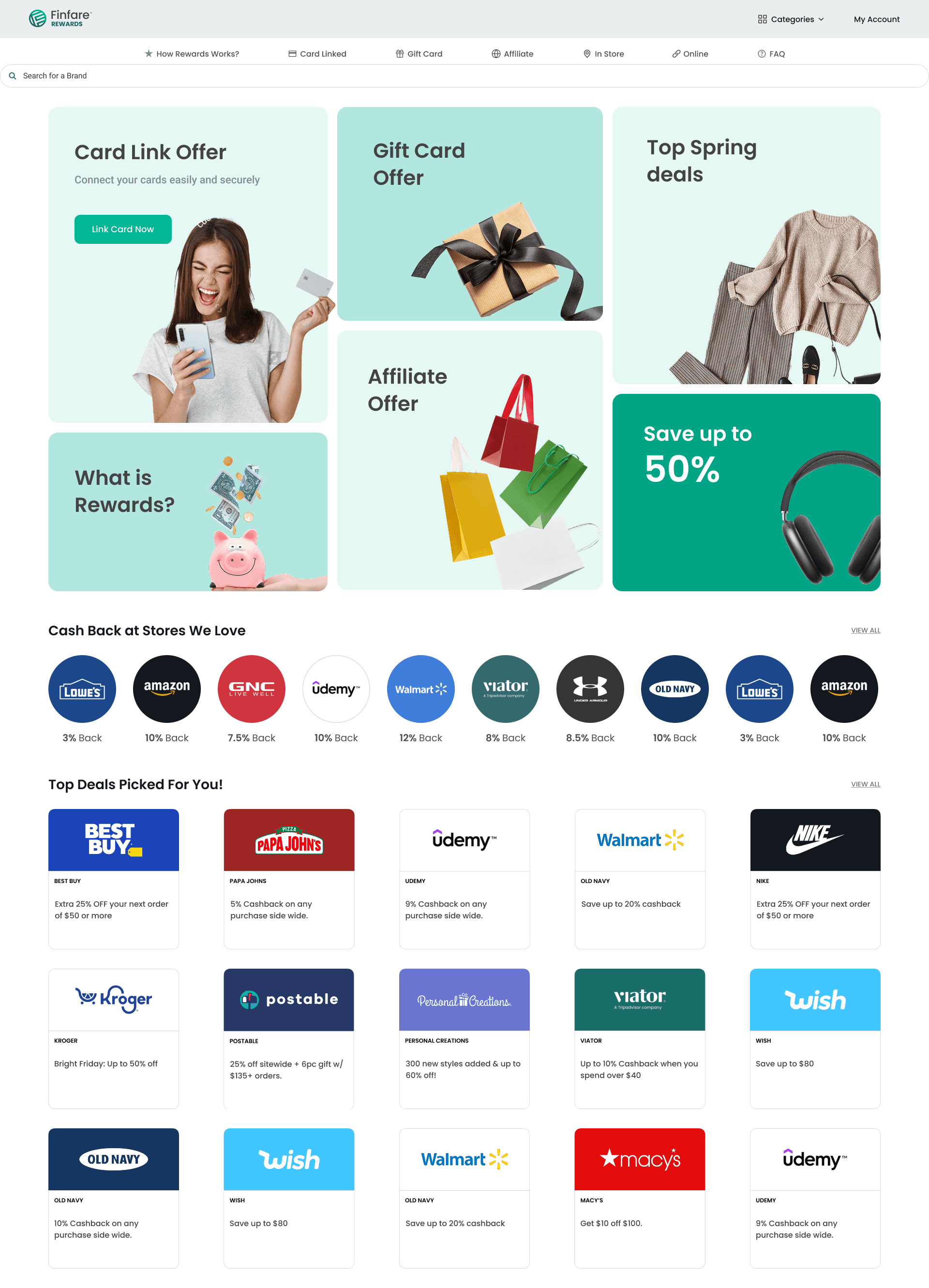
Offer preview layout
dense content
Endless forms
04/
Poor mobile experience
The mobile experience forced users to scroll through endless long forms with no save & exit option. Interruptions meant starting over, which further increased drop-off. Combined with dense content, this made onboarding painful and discouraging for mobile users.
05/
Information overload and lack of guidance
The visual layout presented dense, unstructured data with no hierarchy or visual aids. Users struggled to quickly understand questions, which slowed completion and increased errors. The lack of supportive UI elements, examples, or inline help made the process overwhelming.
Key Pain Points
What made onboarding tricky for advertisers
We collaborated with the PM and Data Team to understand how advertisers moved through the onboarding flow. We examined drop-off rates at each step, average time spent per input, and patterns of errors or incomplete submissions.
By comparing these metrics across steps, we could pinpoint where users struggled most. The analysis revealed that Business Info, Offer Details, and Create Offer consistently showed the highest friction and longest completion times, indicating critical areas for design improvement.
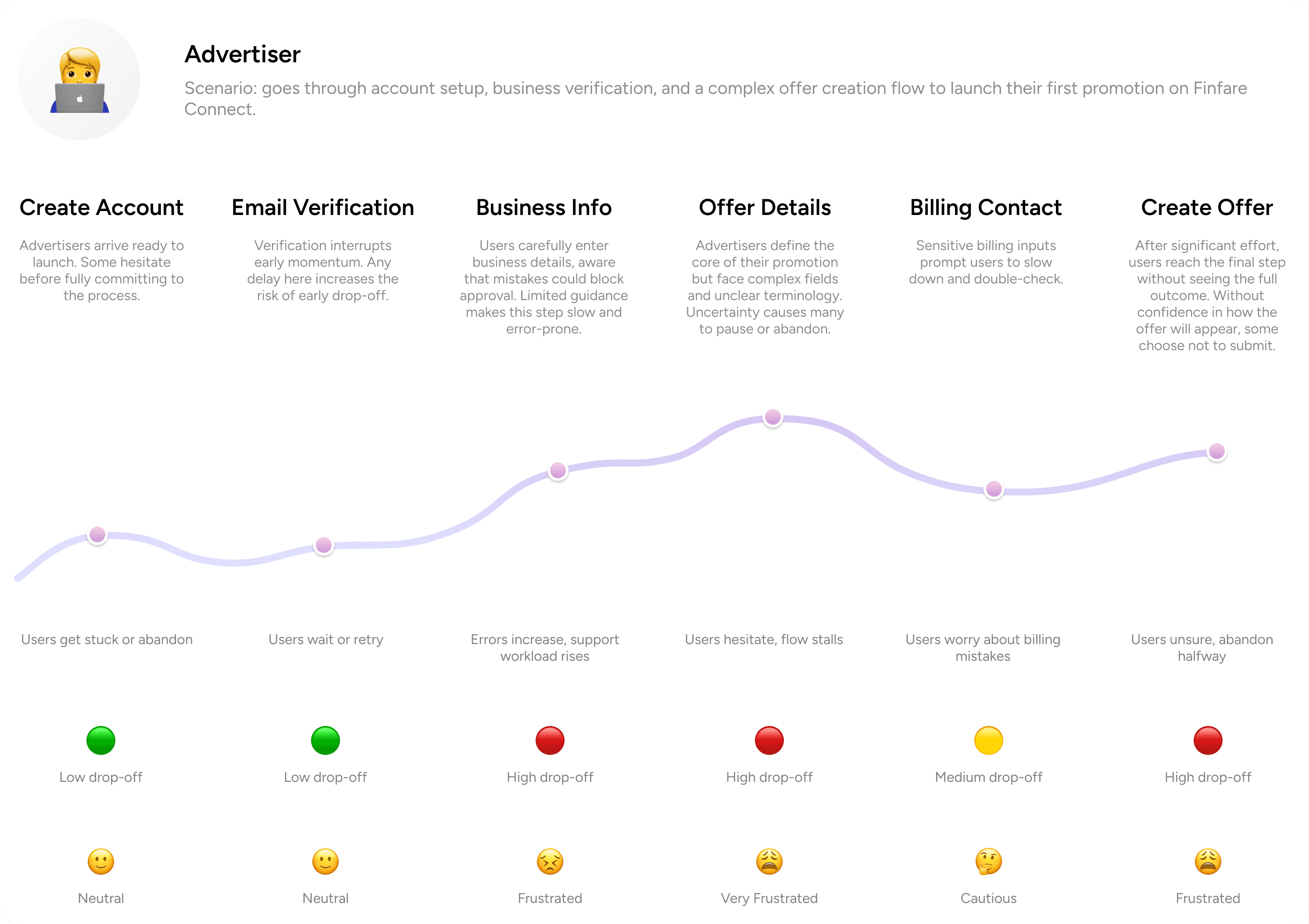
Where Confidence Started to Drop
That changed once users reached Business Info and Offer Details. These steps introduced heavier decisions, compliance-sensitive inputs, and terminology that wasn’t always intuitive. As effort increased, frustration grew — and this is where we saw the highest drop-off.
Hesitation Around Financial Commitment
Billing Contact sat somewhere in between. While fewer users dropped off, sentiment shifted to caution as advertisers slowed down to double-check financial details and implications before moving forward.
The Breaking Point
By the time users reached Create Offer, many had already invested significant time. Without a clear sense of how their offer would ultimately appear, confidence was at its lowest — making this the single highest drop-off point in the entire flow.
Across the journey, drop-off closely followed rising complexity and declining confidence. The more uncertain users felt about outcomes and correctness, the more likely they were to pause or leave.
Design Solutions
Here’s How We Approached It
Onboarding was confusing, and advertisers were dropping off at the steps that mattered most. So we asked ourselves: How can we make this process simple, clear, and even a little enjoyable?
🔧 Structuring the Flow
How Could We Make the Full Flow Clearer for Everyone?
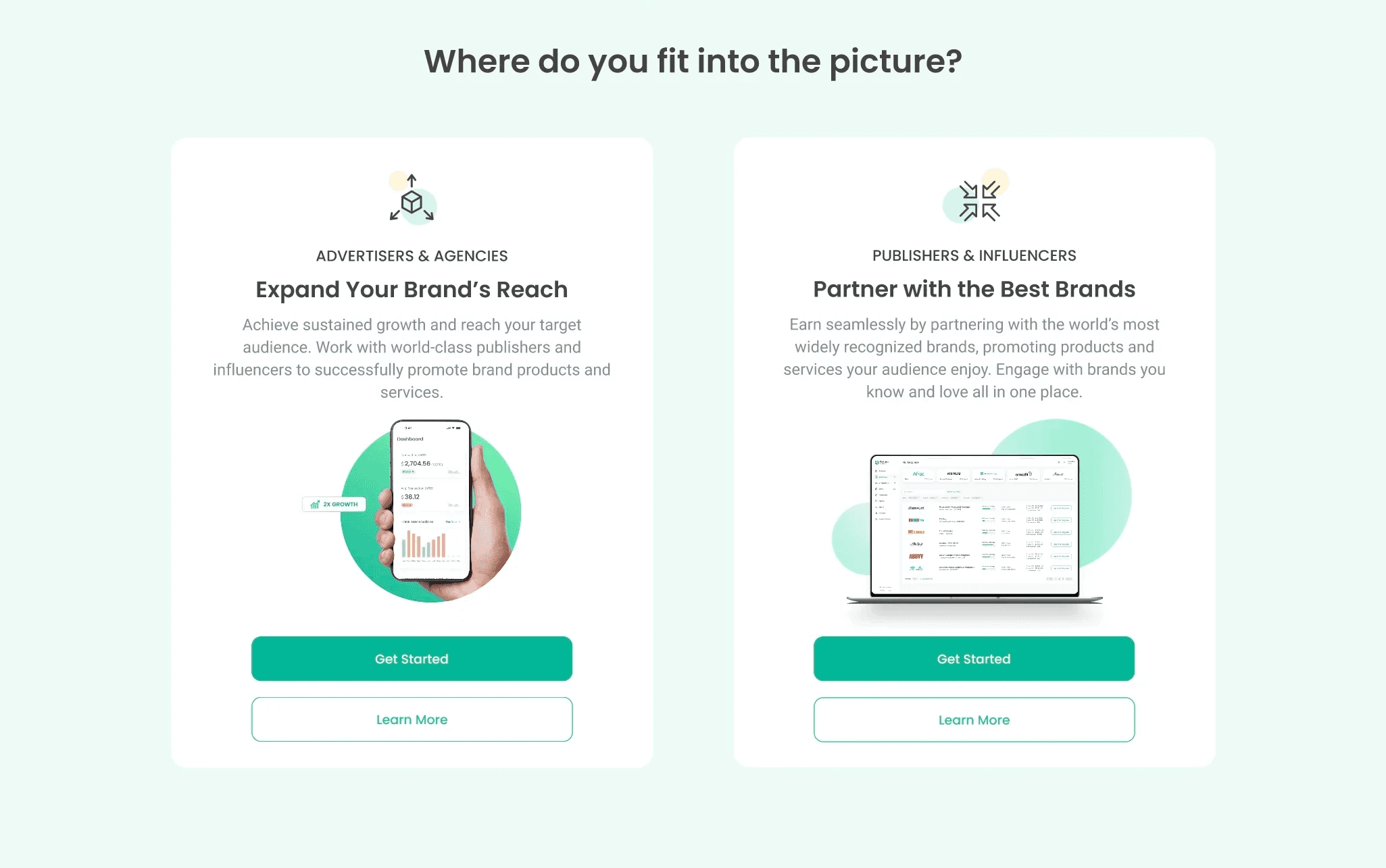
We reorganized the full onboarding experience into three digestible modules.
Each module includes a visible progress indicator, allowing users to track completion and understand what’s coming next.
Breaking the flow into chunks reduced friction, improved clarity, and laid the groundwork for guiding users through the more complex steps ahead.
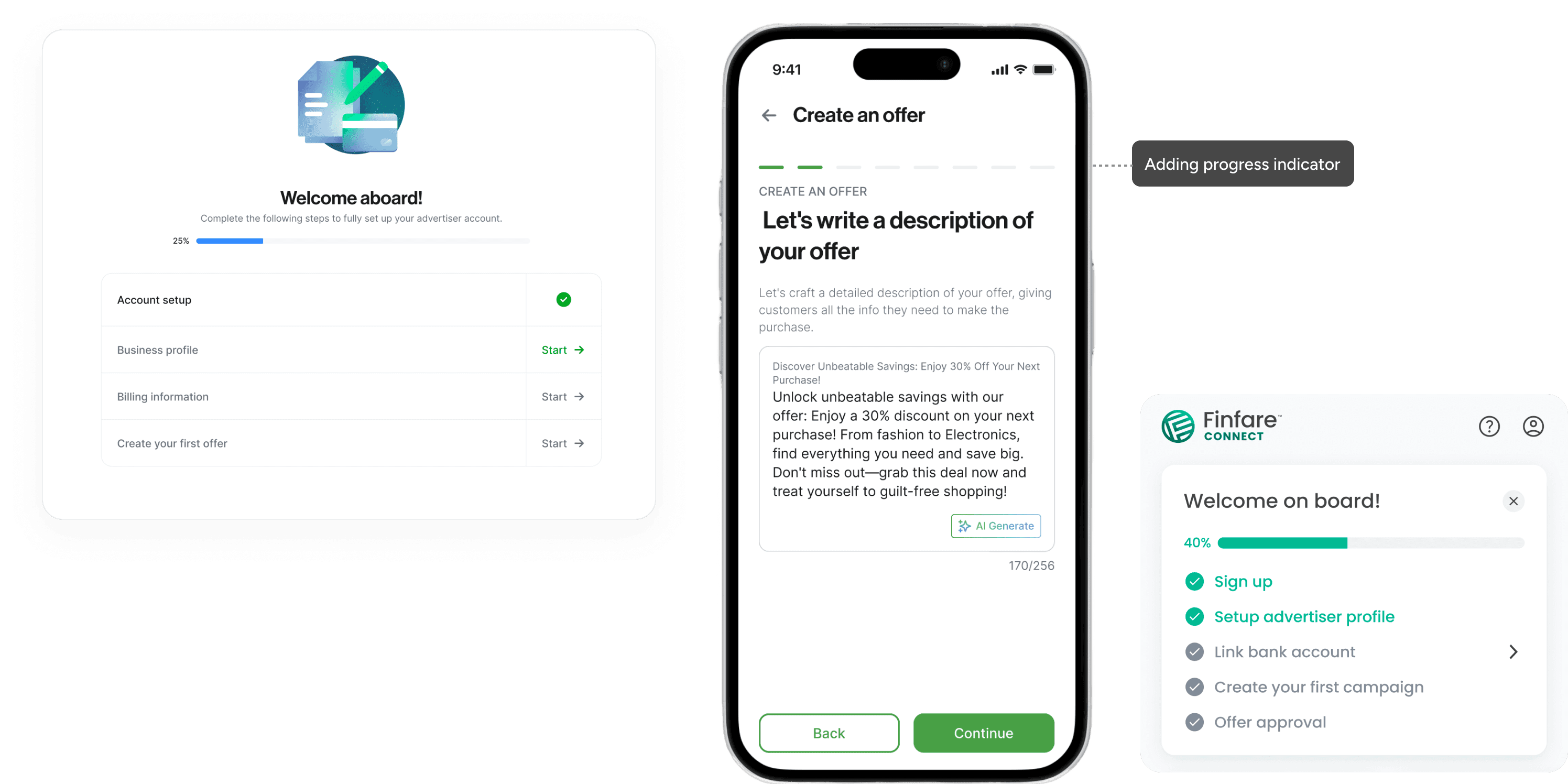
💡 This approach not only reduces cognitive load but also helps advertisers complete critical steps faster, lowers the chance of errors, and sets a smooth path toward creating their first offer.
🔧 Structuring the Flow
How Could We Make Money Users’ Onboarding Faster and Smoother?
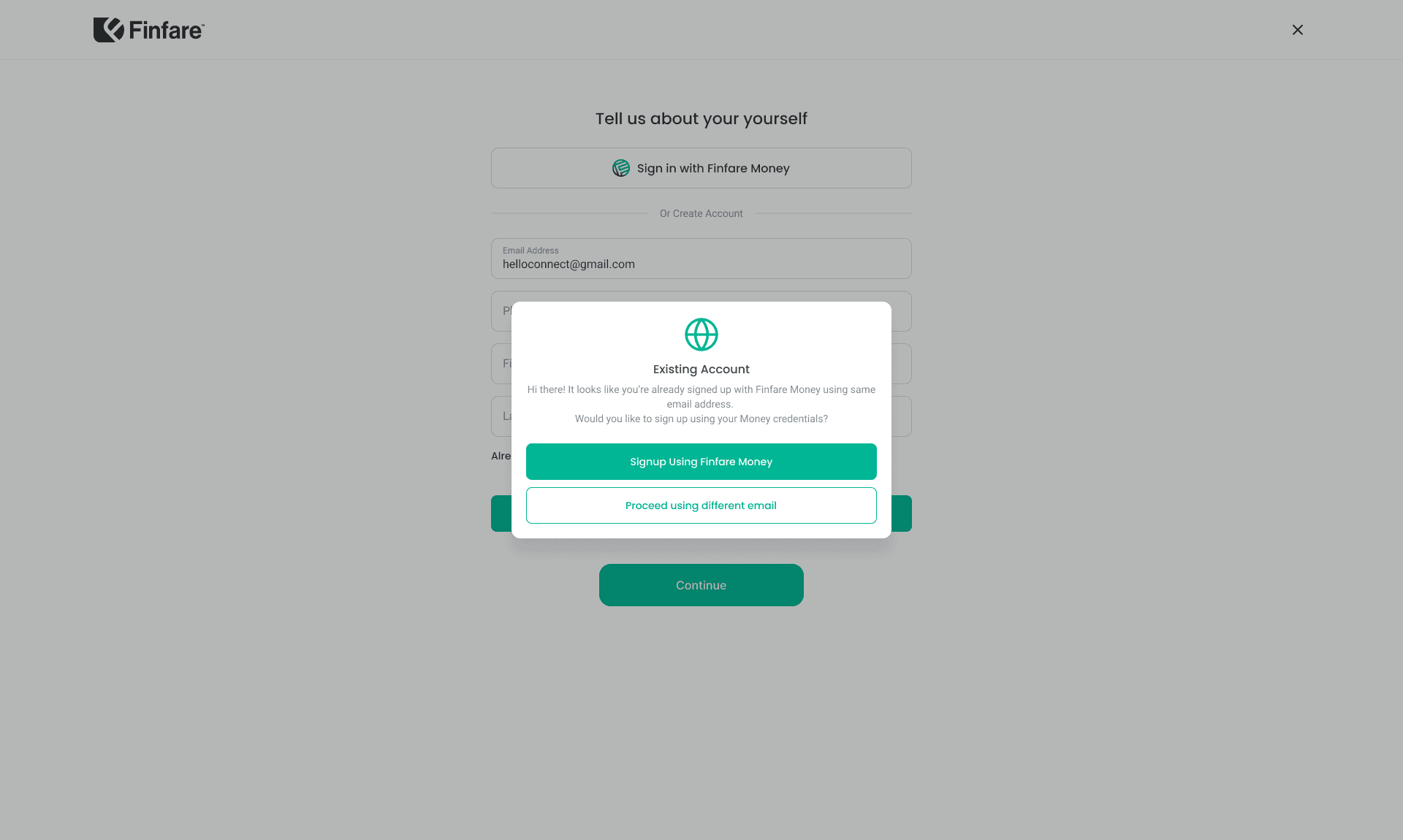
Existing Finfare Money users faced friction when moving to Connect—they had to re-enter information they’d already provided, which created confusion and wasted time. Our first step was to identify opportunities to pre-fill fields and guide these users smoothly through the process.
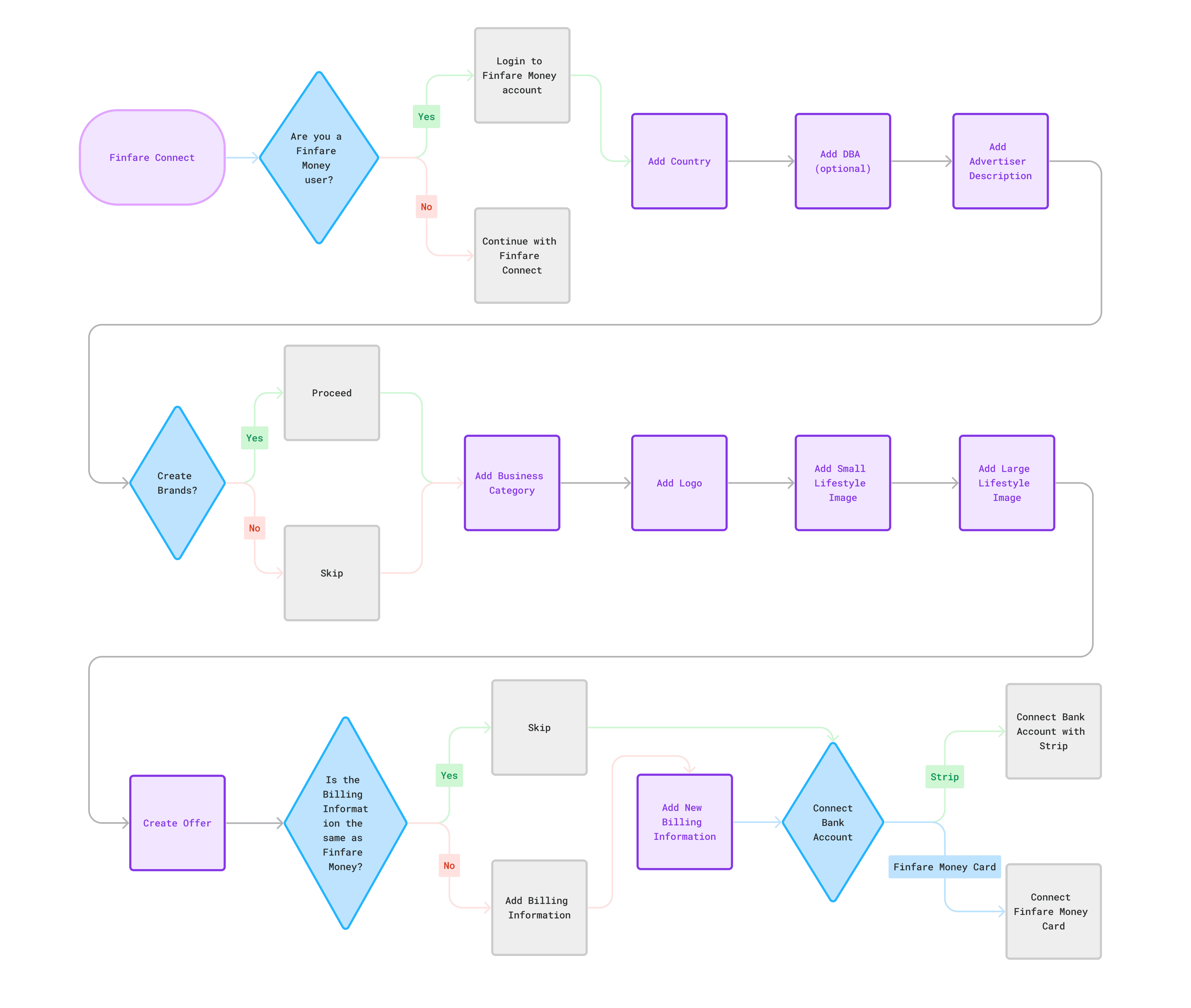
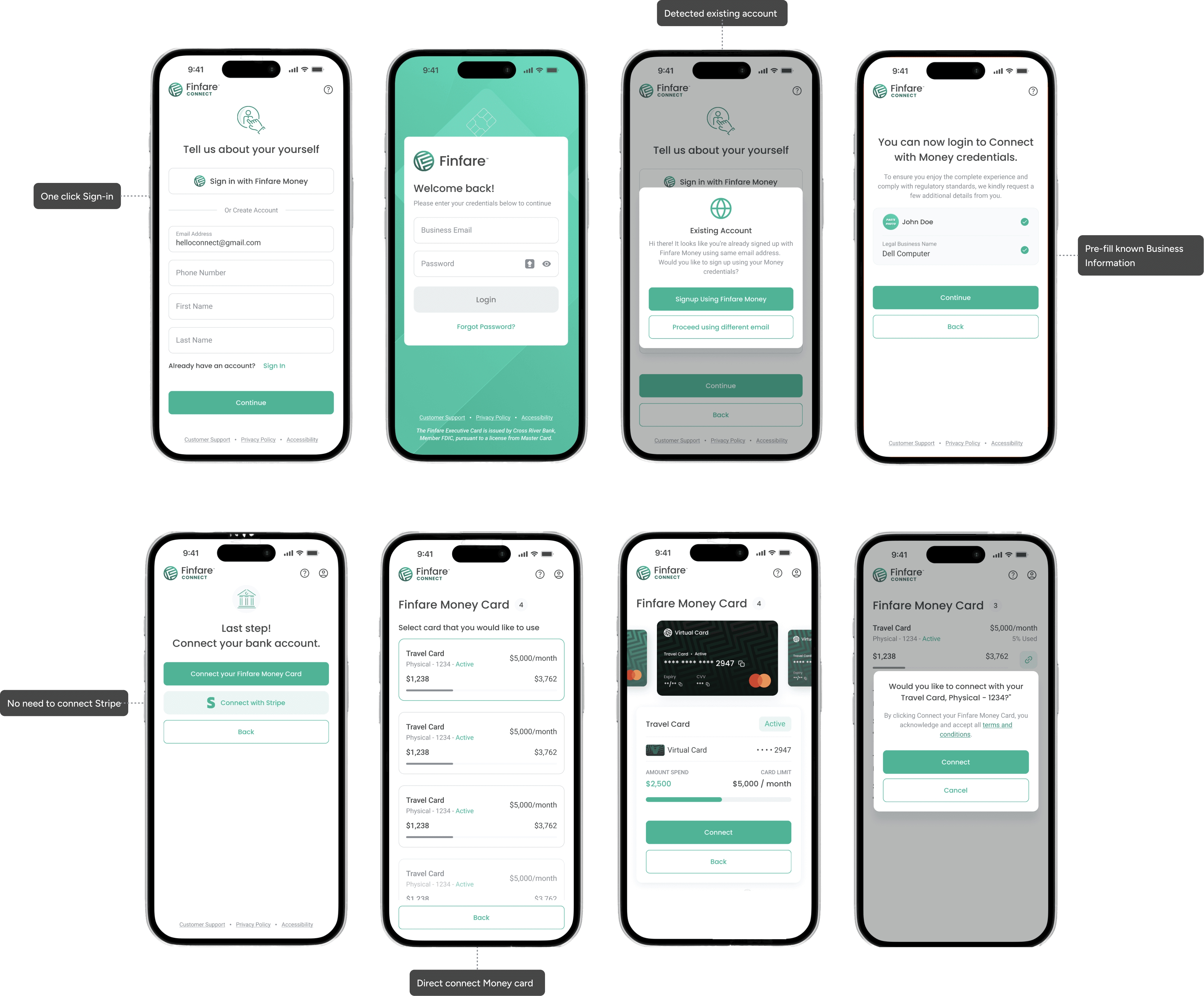
💡 By skipping or auto-filling repetitive steps, Money users save ~10–15 minutes compared to new advertisers.
🙅 Reducing Confusion & Errors
Understanding Where Users Hesitate
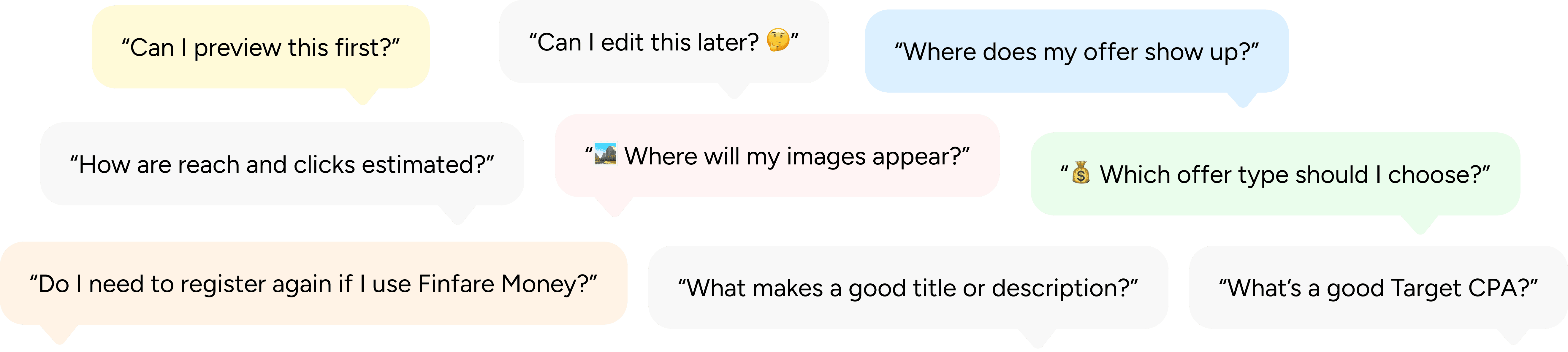
To better understand why advertisers struggled with complex inputs, I conducted moderated online sessions with advertiser clients. I observed how they moved through the onboarding flow, recorded time spent on each step, and noted where they paused, asked questions, or expressed uncertainty.
These sessions revealed patterns that metrics alone couldn’t capture—users often hesitated not because the task was difficult, but because they feared making the wrong decision.
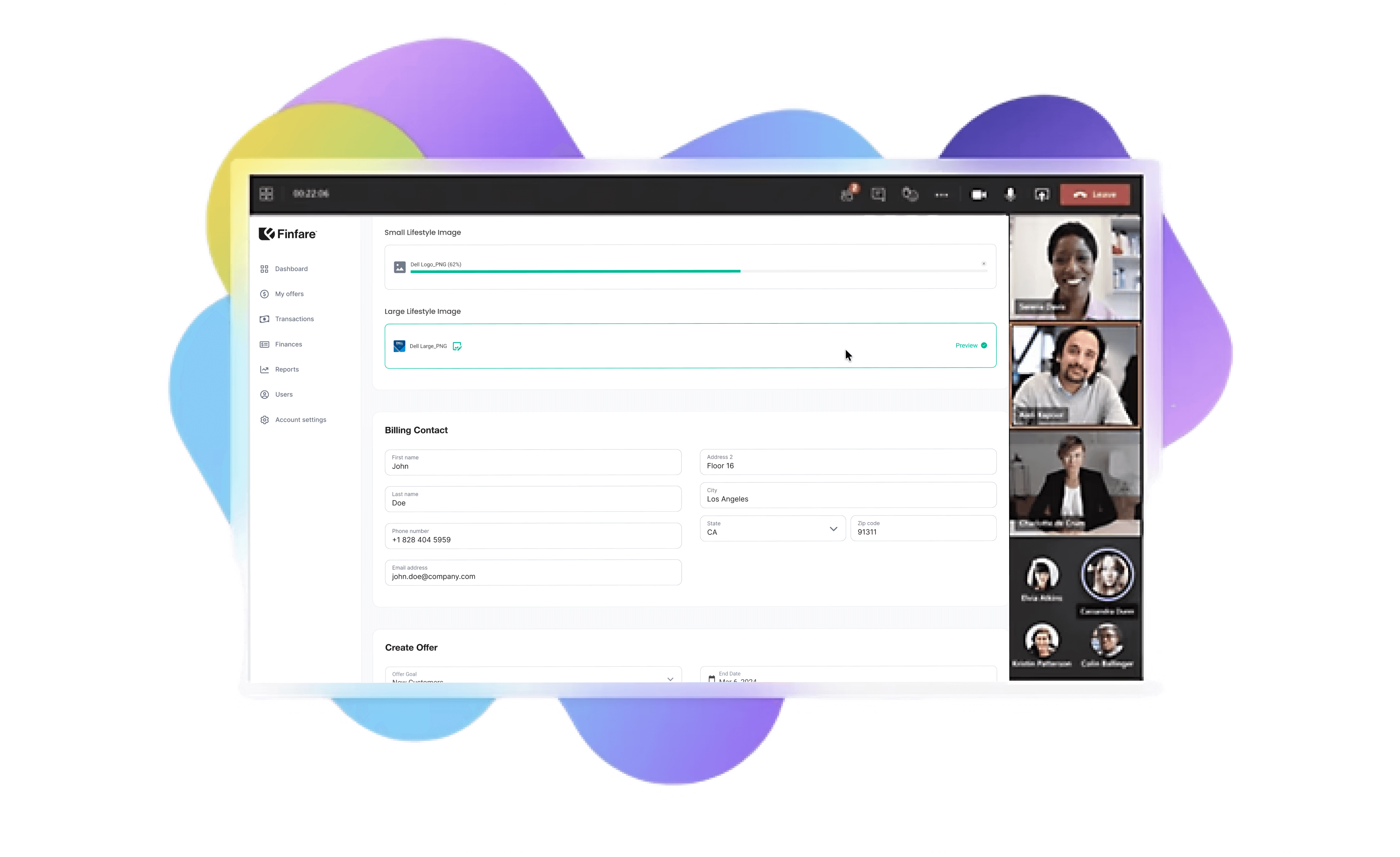
✍️ Moderated Research Insights from Advertiser Observation
“What’s the difference between these two names?”
Legal Business Name vs. Merchant Name
Advertisers consistently paused at the Business Information step, spending an average of 8 minutes discussing the difference between Legal Business Name and Merchant Name. While the legal name was generally familiar, the purpose and usage of Merchant Name were unclear, leading to hesitation and repeated back-and-forth conversations.
Insight
Ambiguous naming without contextual explanation creates unnecessary cognitive load and slows progression early in the flow.
✅ Our Solution
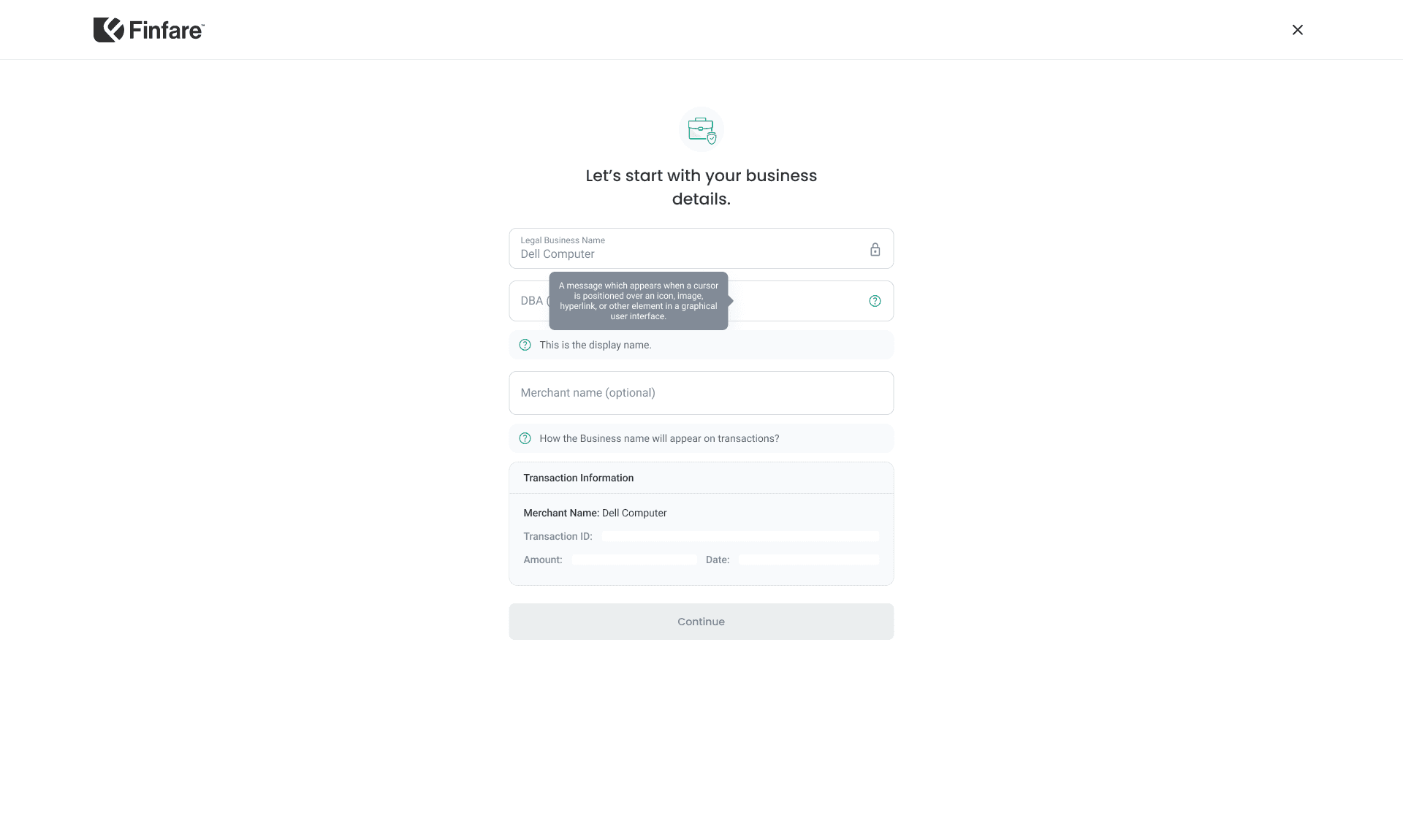
Added concise helper text to clearly differentiate Legal Business Name and Merchant Name.
Provided context on where and how each name would appear in the system.
Ensured users could complete this step confidently, reducing the need for clarification or back-and-forth discussion.
“Why am I being redirected to another website?”
Third-party OFAC check via Sardine
After submitting business information, advertisers were unexpectedly redirected to a third-party website to complete an OFAC check. This sudden transition caused confusion and concern, particularly around security, legitimacy, and whether they would be able to return to the onboarding flow.
Insight
Unannounced third-party steps disrupt trust and break the sense of a continuous onboarding experience.
✅ Our Solution
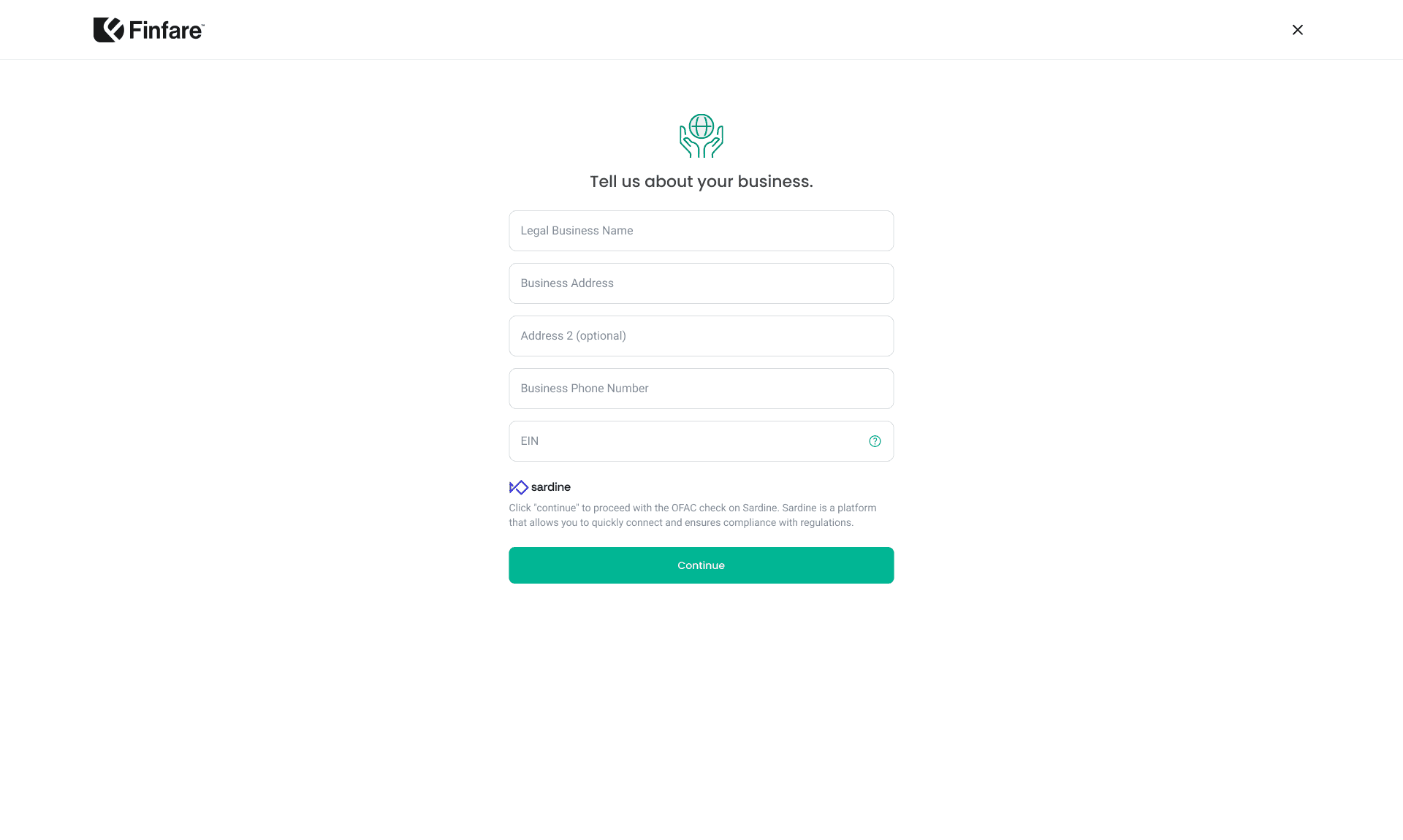
Added a clear prompt: “Click 'continue' to proceed with the OFAC check on Sardine. Sardine is a platform that allows you to quickly connect and ensures compliance with regulations.”
Explained what would happen after the check and reassured users they would return to the platform.
Reduced uncertainty and hesitation, helping advertisers continue smoothly without interruption.
"What image format should I upload? Where will this be used?"
Image upload requirements
Advertisers spent an average of 12 minutes discussing image-related questions, including file format, size limits, and usage context.
Although the upload process itself was technically smooth, the lack of guidance made users uncertain and reduced confidence in submitting the “right” assets.
Insight
When expectations are unclear, users hesitate—even when the interaction itself is frictionless.
✅ Our Solution
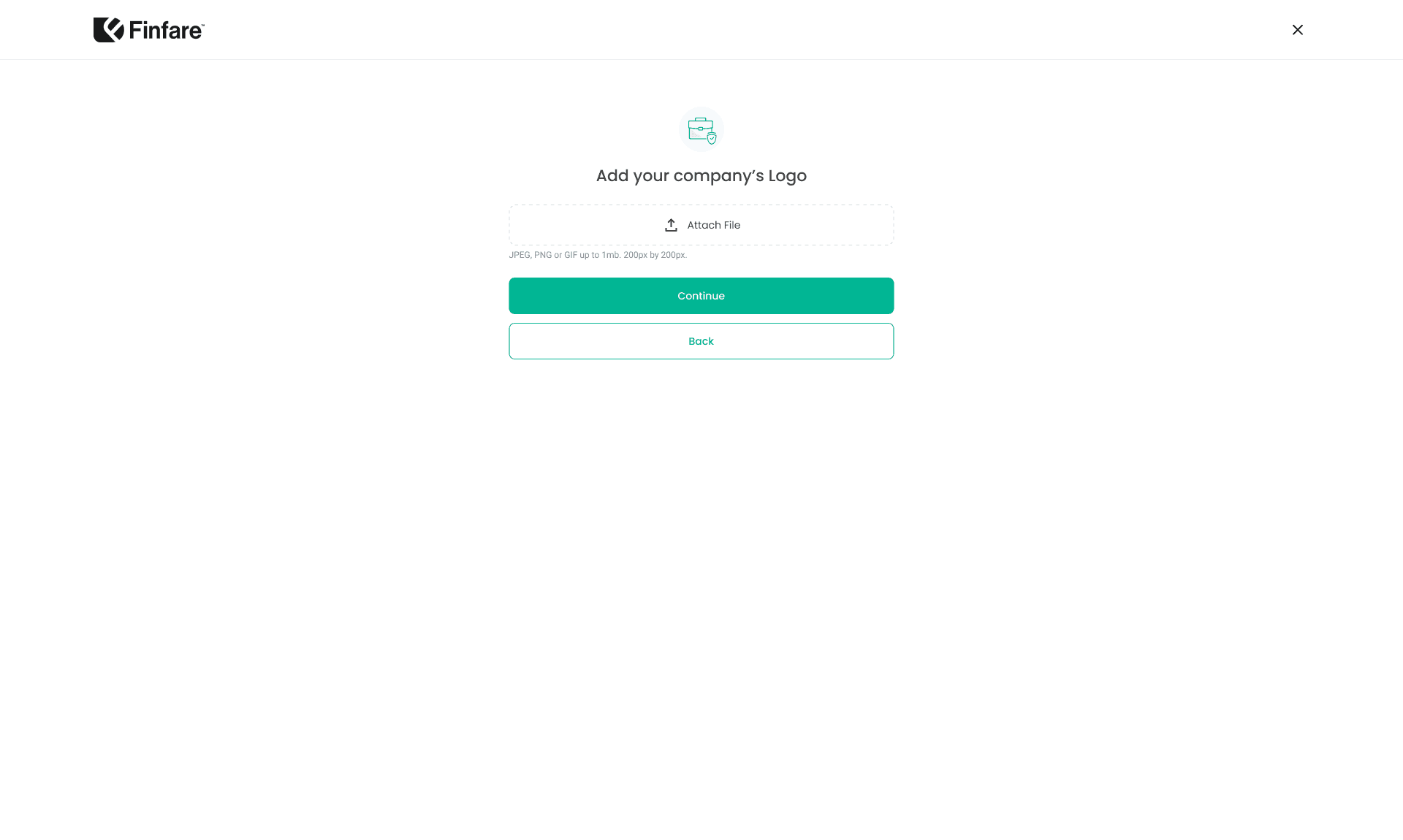
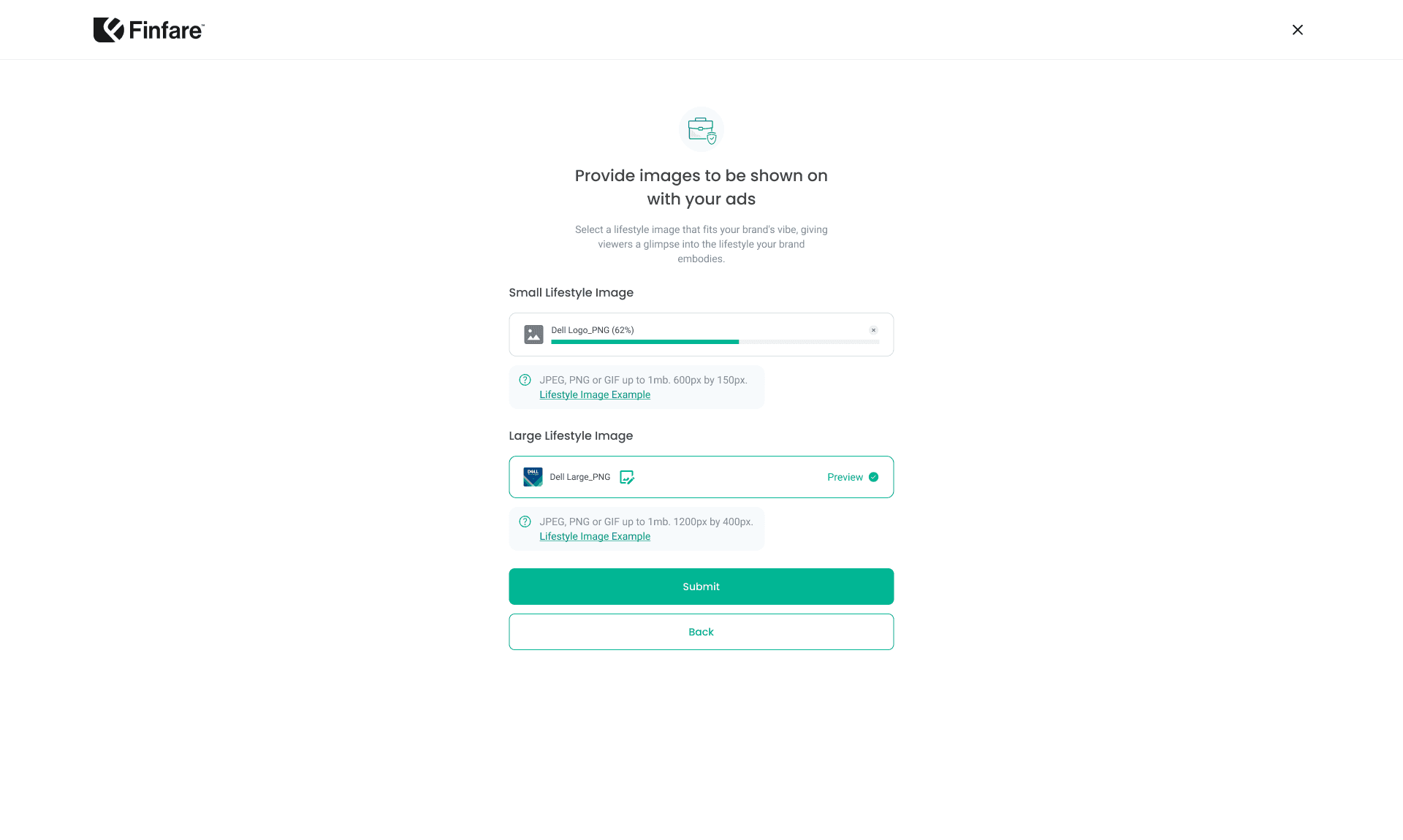
Added explicit instructions for image format, recommended size, and usage context directly at the upload step.
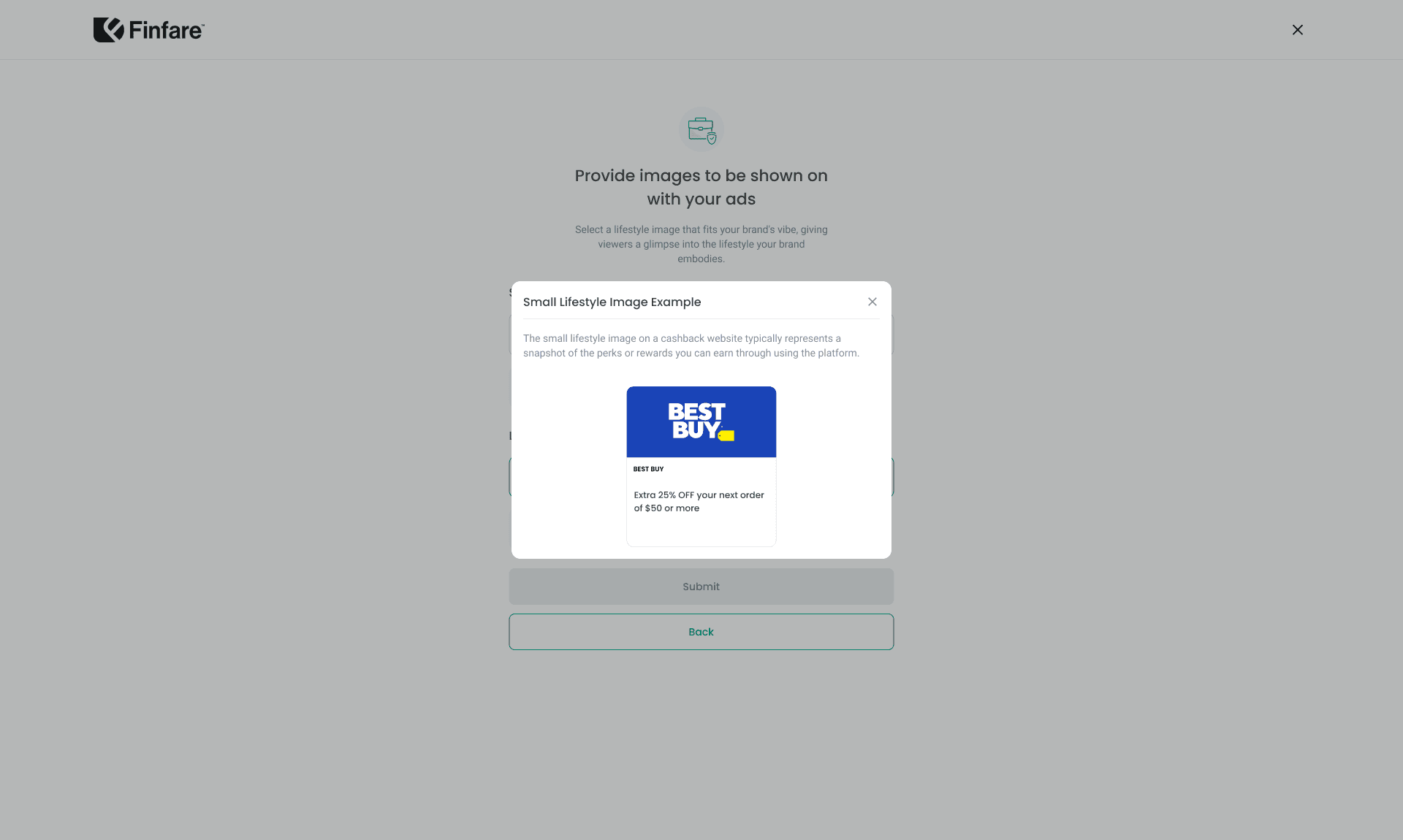
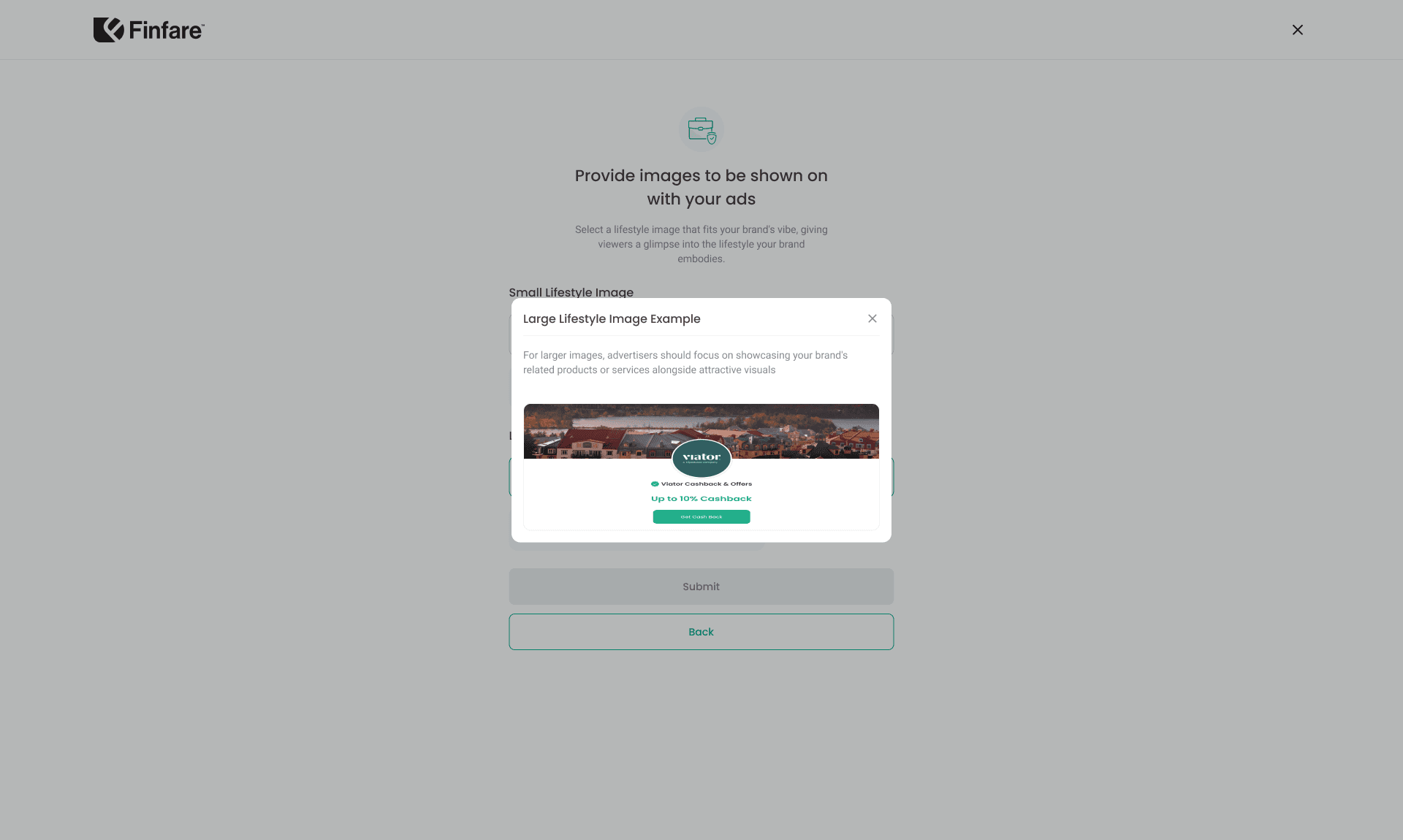
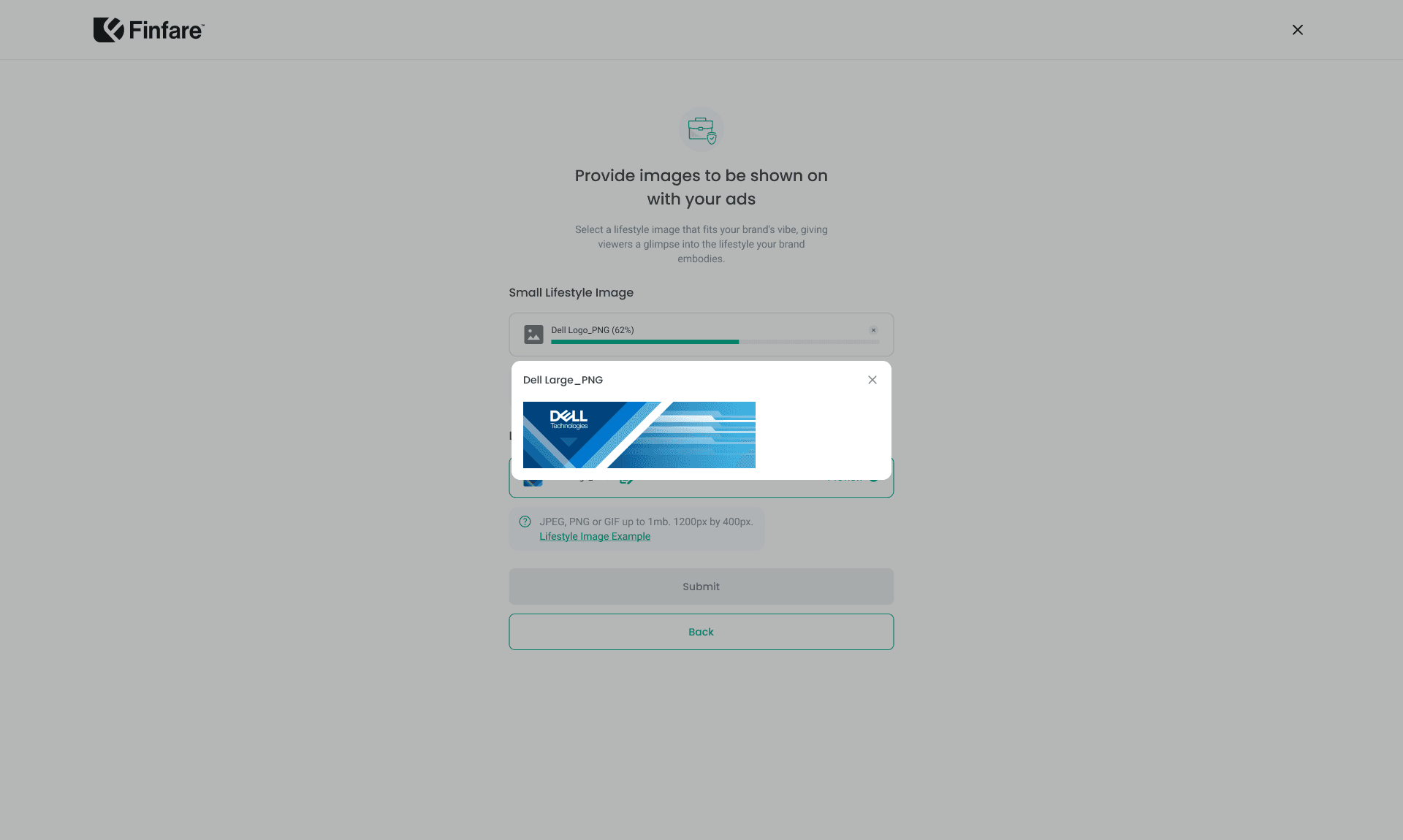
Provided real image examples and showed how uploaded images would appear in the live site preview.
Reduced hesitation and trial-and-error, allowing advertisers to confidently upload images and see exactly how they would display.
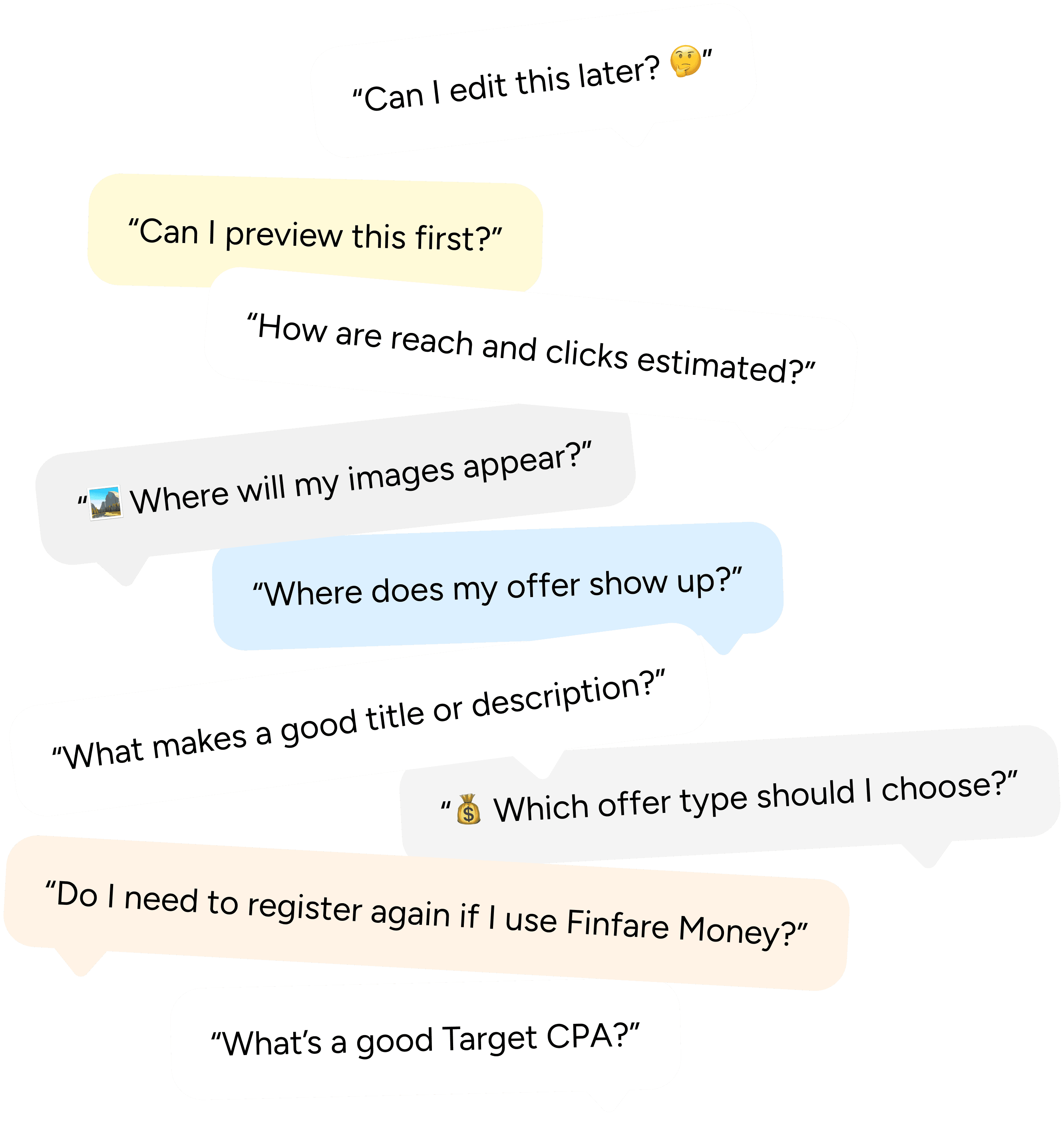
"What makes a good offer description?"
Writing offer copy
Advertisers often paused at this step, unsure how detailed or persuasive the offer description needed to be. Several users left the onboarding flow to consult external resources, including AI tools, before returning to complete the task.
Insight
Open-ended content creation without examples or guardrails interrupts momentum and increases cognitive effort.
✅ Our Solution
Displayed the previously entered offer title above the description input to provide context.
Added inline guidance: “Let's craft a detailed description of your offer, giving customers all the info they need to know…” to clarify expectations.
Introduced an AI-generated suggestion based on previously entered offer details. Initial engineering feedback highlighted integration complexity and potential latency issues, but after iteration, a lightweight AI integration was successfully implemented.
Helped advertisers write complete, clear descriptions without leaving the platform, reducing time and uncertainty.
Engineering Hurdle
During initial integration, AI suggestions relied on frequent API calls, which risked high latency and potential server load issues.
Collaborated closely with the engineering team to restructure the feature as a lightweight, on-demand module, enabling real-time AI suggestions without impacting onboarding performance.
“What is Target CPA, and how should we decide on ours?”
Performance metric setup
Target CPA required the longest discussion time among performance-related inputs, averaging 9 minutes.
Advertisers frequently searched for definitions, discussed calculation methods, or contacted teammates to confirm acceptable values.
Insight
Introducing advanced metrics without in-context education forces users outside the flow and delays completion.
✅ Our Solution
Added a clear, descriptive heading: “Knowing your target CPA helps us optimize advertising to fit your budget and acquisition objectives better. Increasing your CPA amount will enhance campaign performance and attract more publishers and customers.”
Renamed the input field to “My Cost Per Acquisition” for immediate clarity.
Prefilled a suggested CPA value to guide users and reduce hesitation.
Included an attention notice in orange: “Attention: The CPA you've entered is below our recommended minimum of 10%. Need help setting your CPA? Contact Support is here to help.”
Added a unit switcher allowing users to toggle between percentage and numeric input, giving flexibility and control.
Usability Testing & Validation
📝 From removing friction to building confidence
Before moving into final design, we needed to validate whether our solutions truly reduced friction—or simply shifted complexity elsewhere. Given that advertiser onboarding directly impacts activation and revenue, even small points of confusion could lead to drop-off or hesitation.
Our goal was not just to test usability, but to understand how advertisers think, hesitate, and decide throughout the onboarding journey.
Usability Testing & Validation
Phase 1: Internal validation — pressure-testing assumptions
Early alignment before scaling feedback
We began with internal walkthroughs alongside Product and Engineering to validate feasibility and edge cases across the full flow.
These sessions helped surface mismatches between:
how the system required information, and
how advertisers expected to provide it.
Key outcomes from this phase:
clarified labels and helper text for business and offer-related inputs
adjusted step sequencing to avoid asking users to commit before they felt ready
confirmed where previews and guidance could be added without increasing engineering complexity
This phase ensured we were solving real experience gaps, not just polishing UI.
Usability Testing & Validation
Phase 2: External usability testing
Observing hesitation, not just task completion
We then conducted usability testing with:
first-time advertisers, and
existing Money users onboarding into Connect.
Instead of focusing solely on success rates, we closely observed:
where users slowed down
when they reread instructions
when they verbally expressed uncertainty or left the page to seek reassurance
The most consistent friction emerged during offer creation—the longest and most cognitively demanding step.
While users could technically complete the form, many hesitated due to uncertainty about how their inputs would appear on the live site.
Iterations driven by testing insights
Based on these findings, I introduced several targeted design improvements:
Real-time offer preview
Advertisers can now see how their offer will appear to customers while creating it.
This shifted confidence-building earlier in the flow and reduced the need for dense explanations on the final review page.
Progress indicator for long steps
In the longest section of onboarding, a progress indicator was added to clearly communicate effort and remaining steps—helping users stay oriented and motivated.
Reduced cognitive load at confirmation
By resolving most uncertainty earlier, the final confirmation step became lighter and more decisive, encouraging completion rather than second-guessing.
Final Deisgn
🎨 What does the final advertiser onboarding experience look like?

Step 1
Create Account
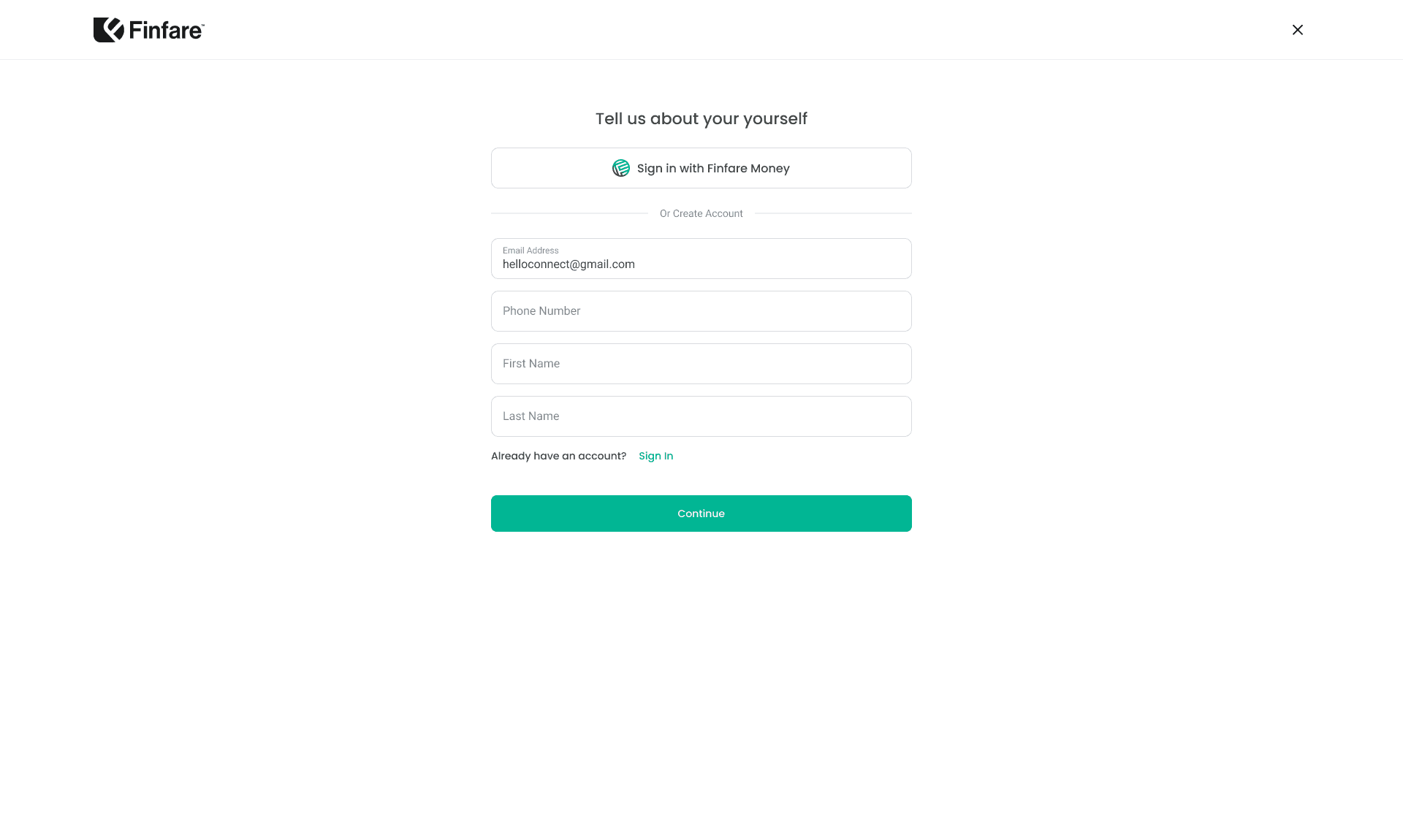
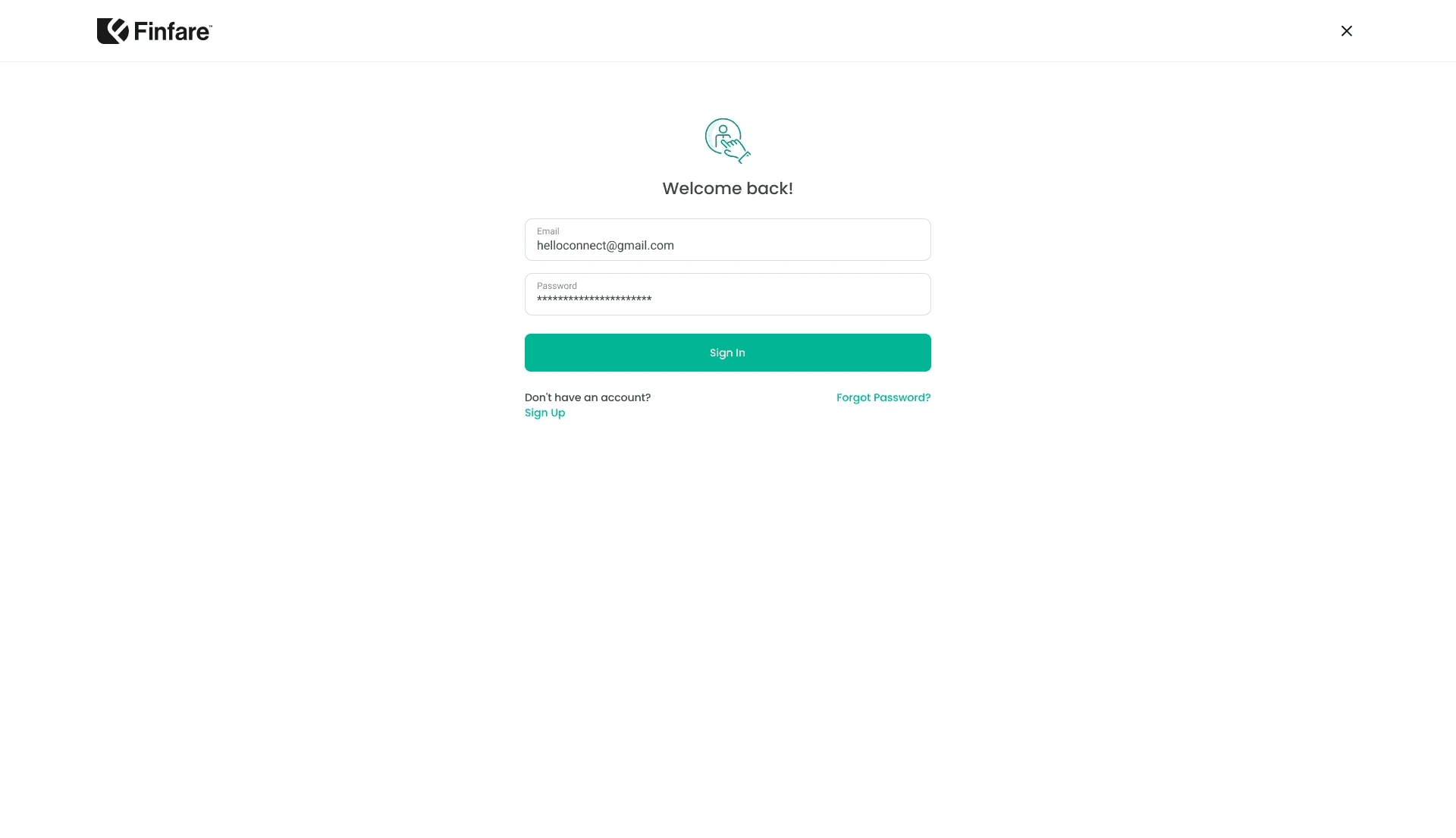
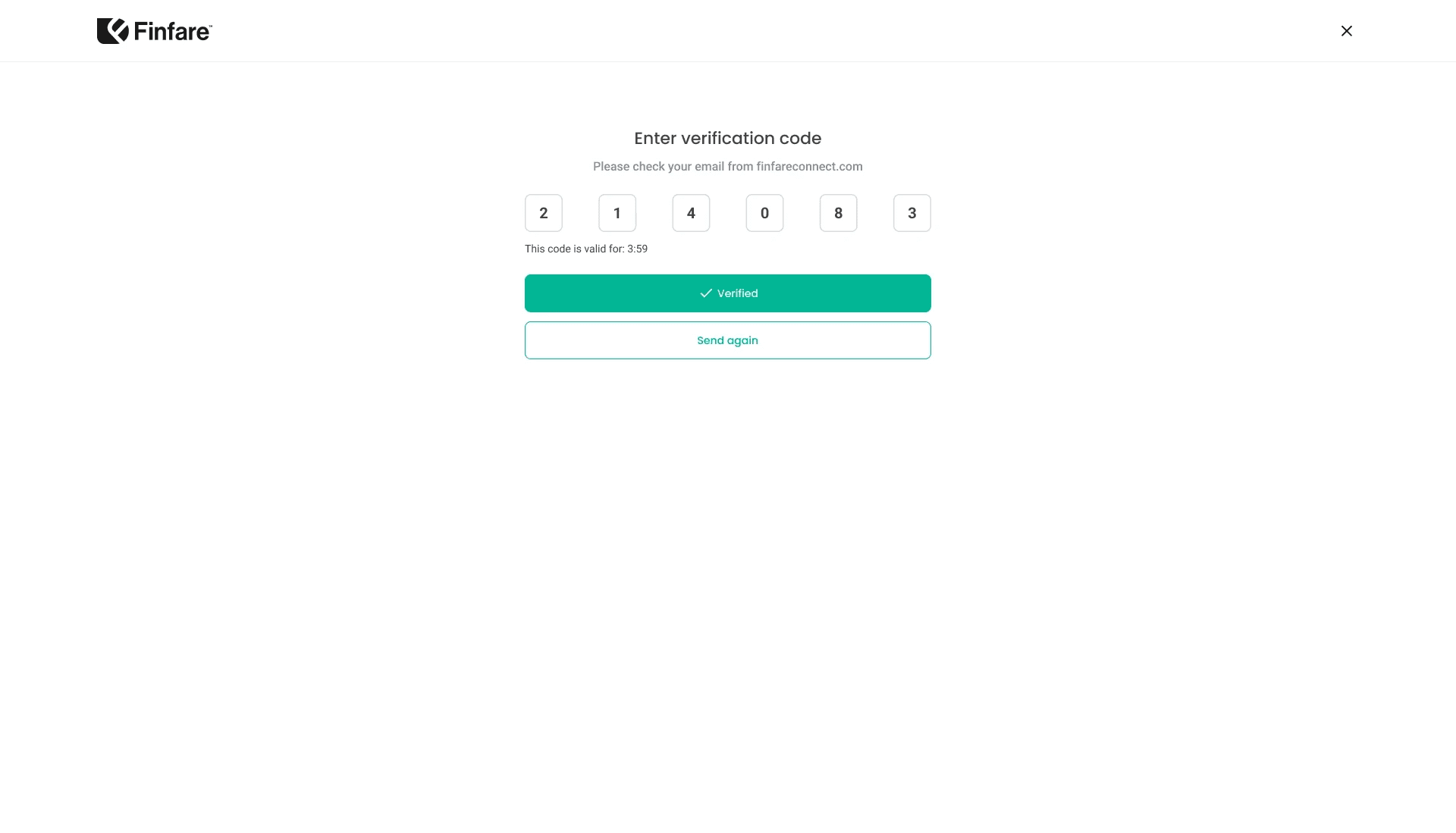
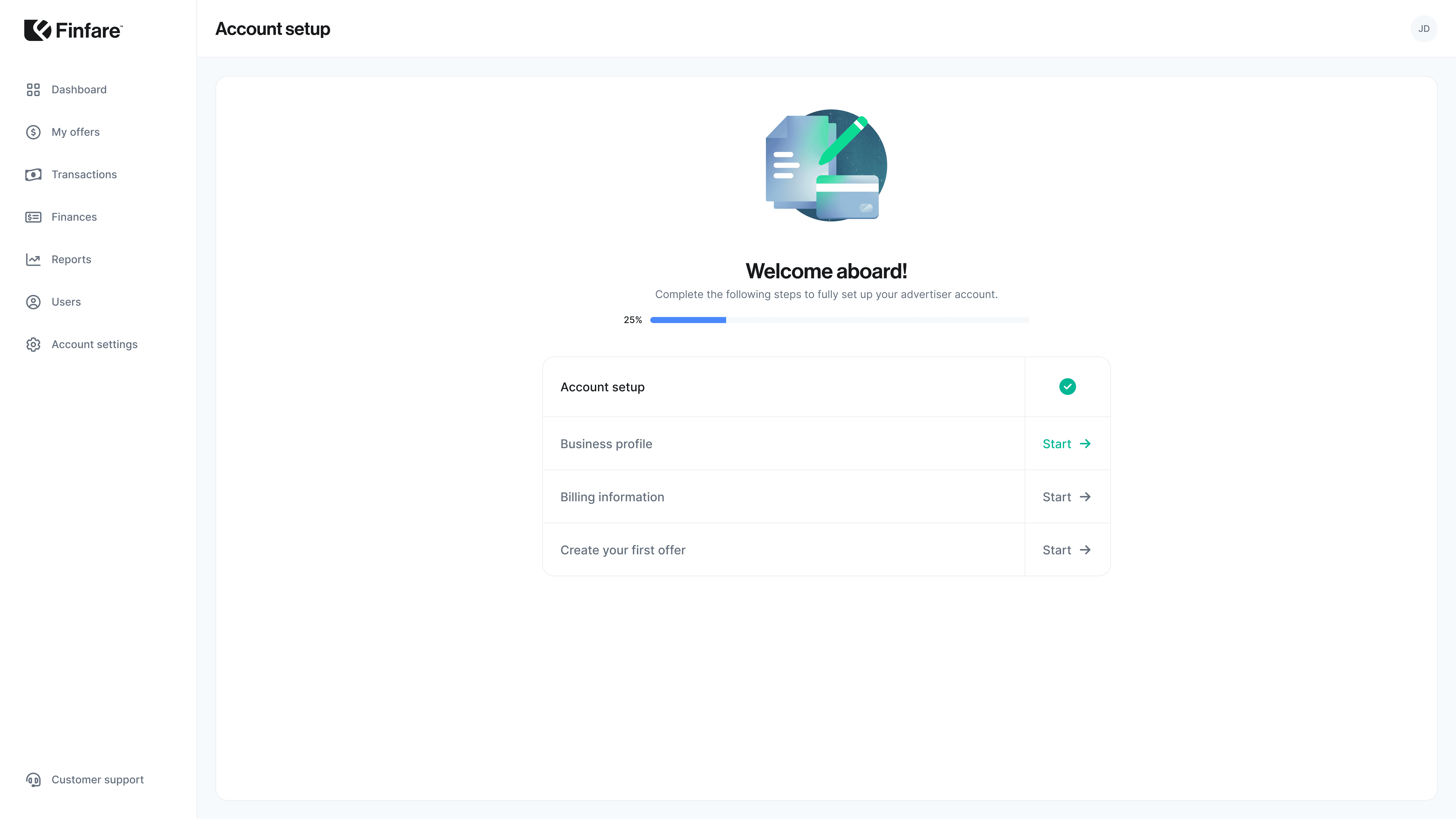
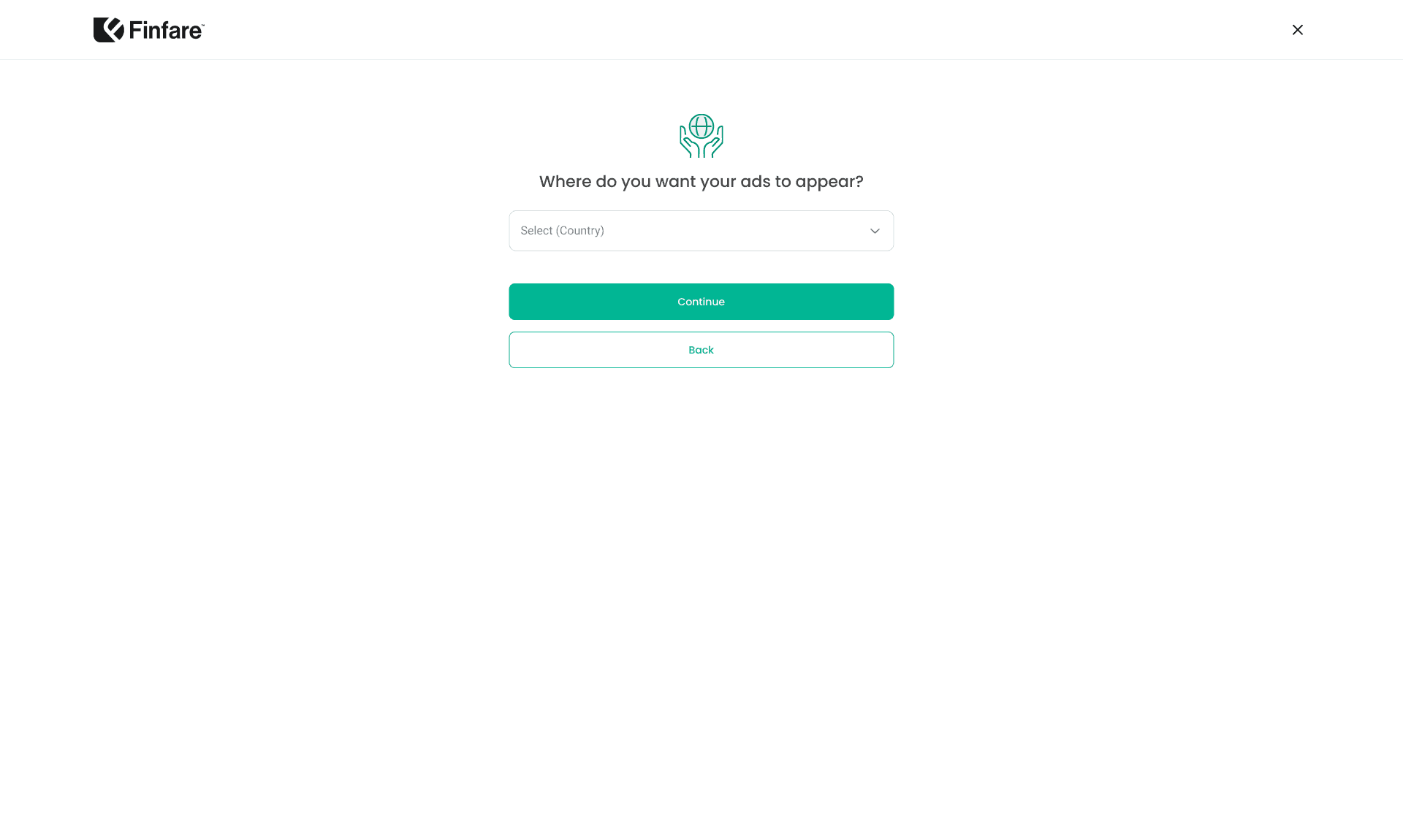
For new advertisers, onboarding starts with account creation, MFA, and email verification. These steps are intentionally lightweight, allowing users to move forward before making deeper commitments.

Step 2
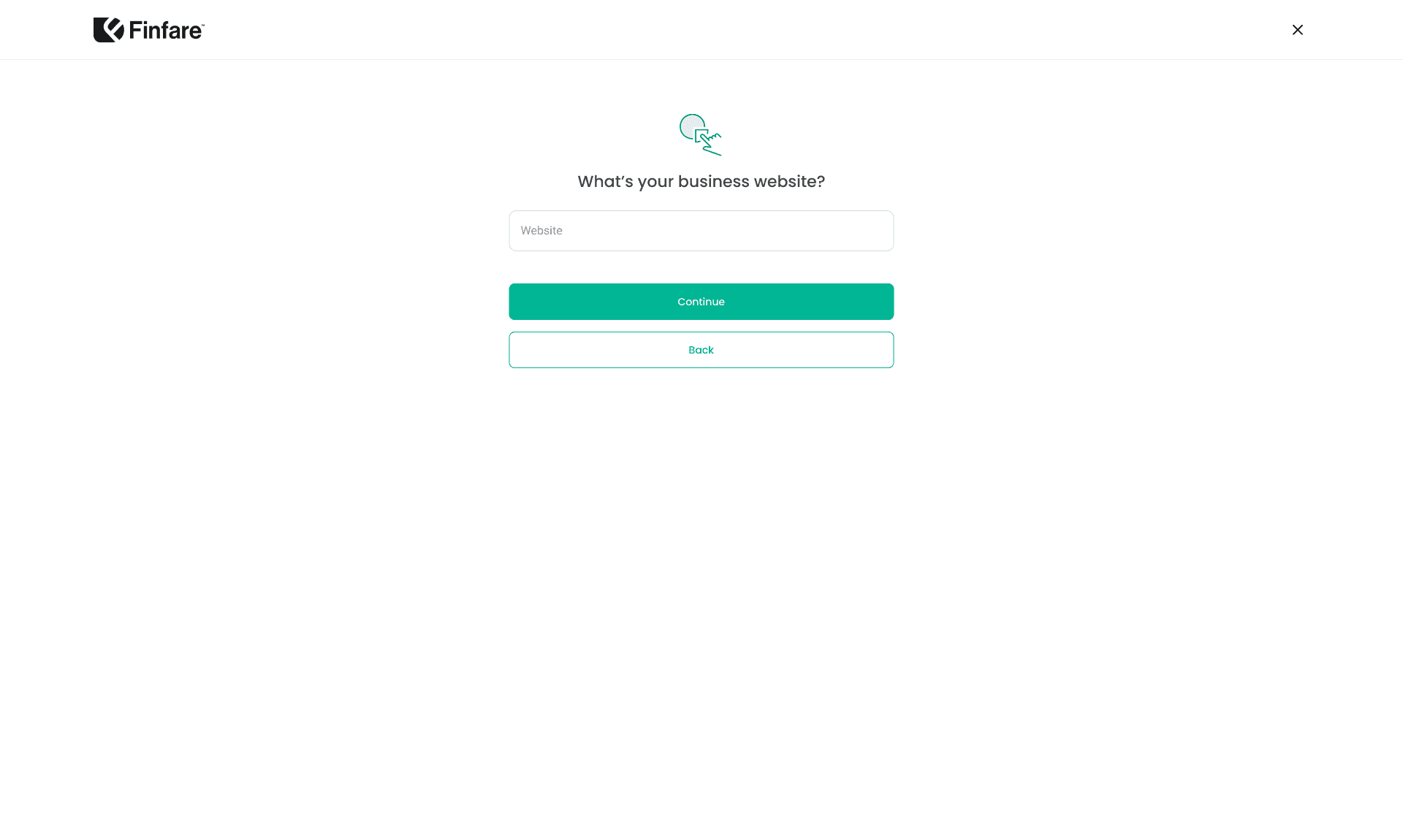
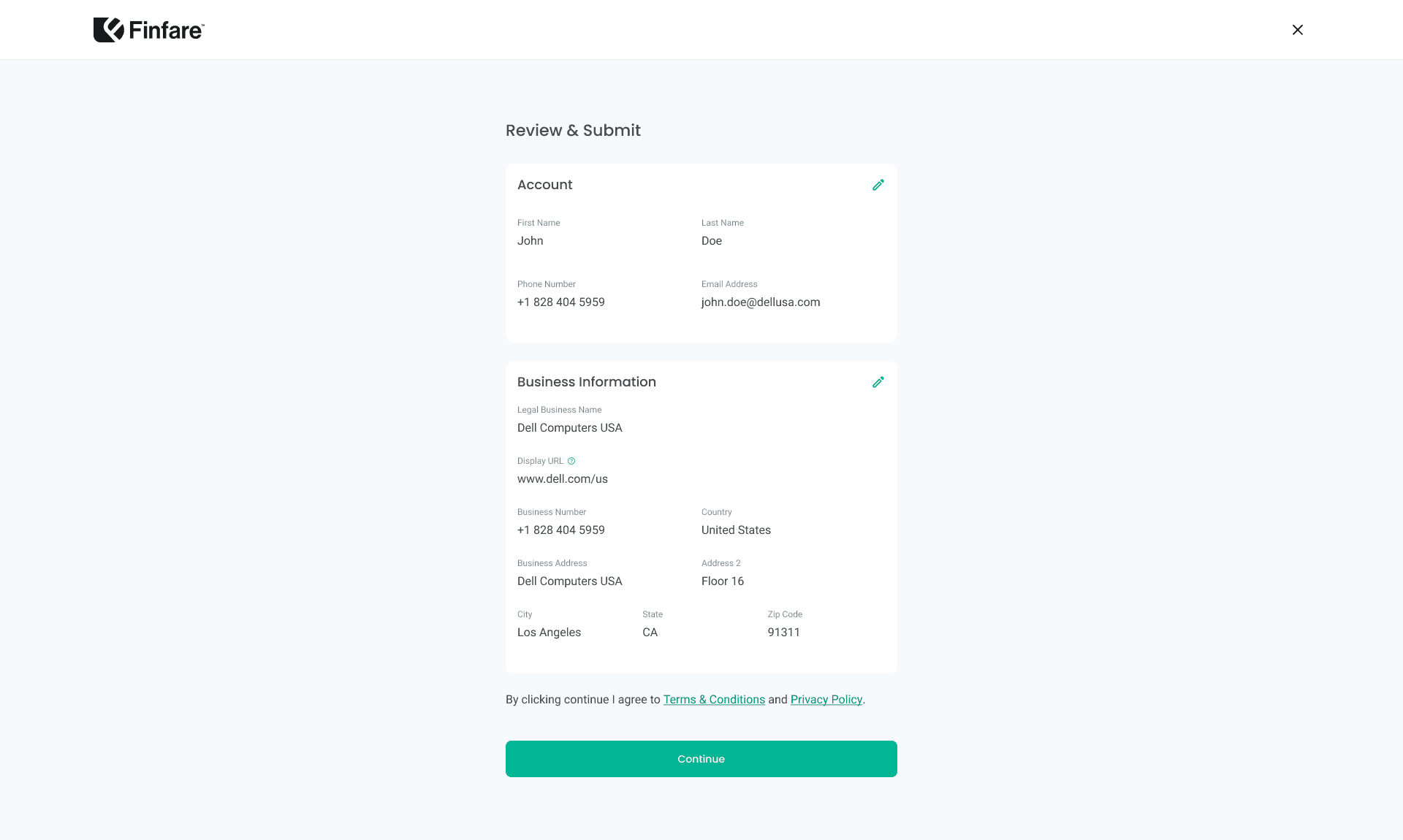
Business Infomation
Once verified, advertisers enter the Business Information stage. Here, they are guided through required legal and business details with clarified labels and inline explanations, helping reduce confusion around unfamiliar terminology.

Step 3
Offer Details
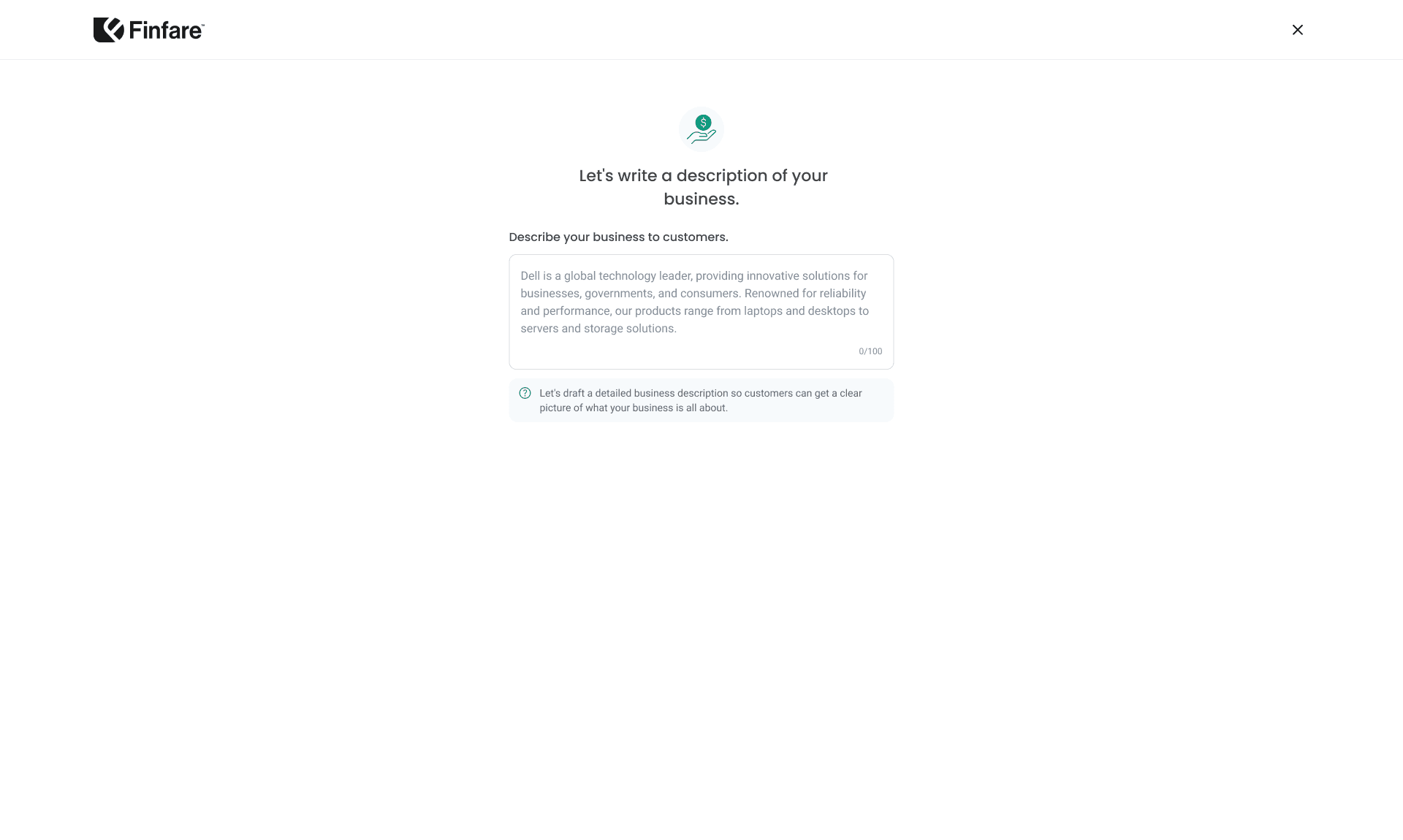
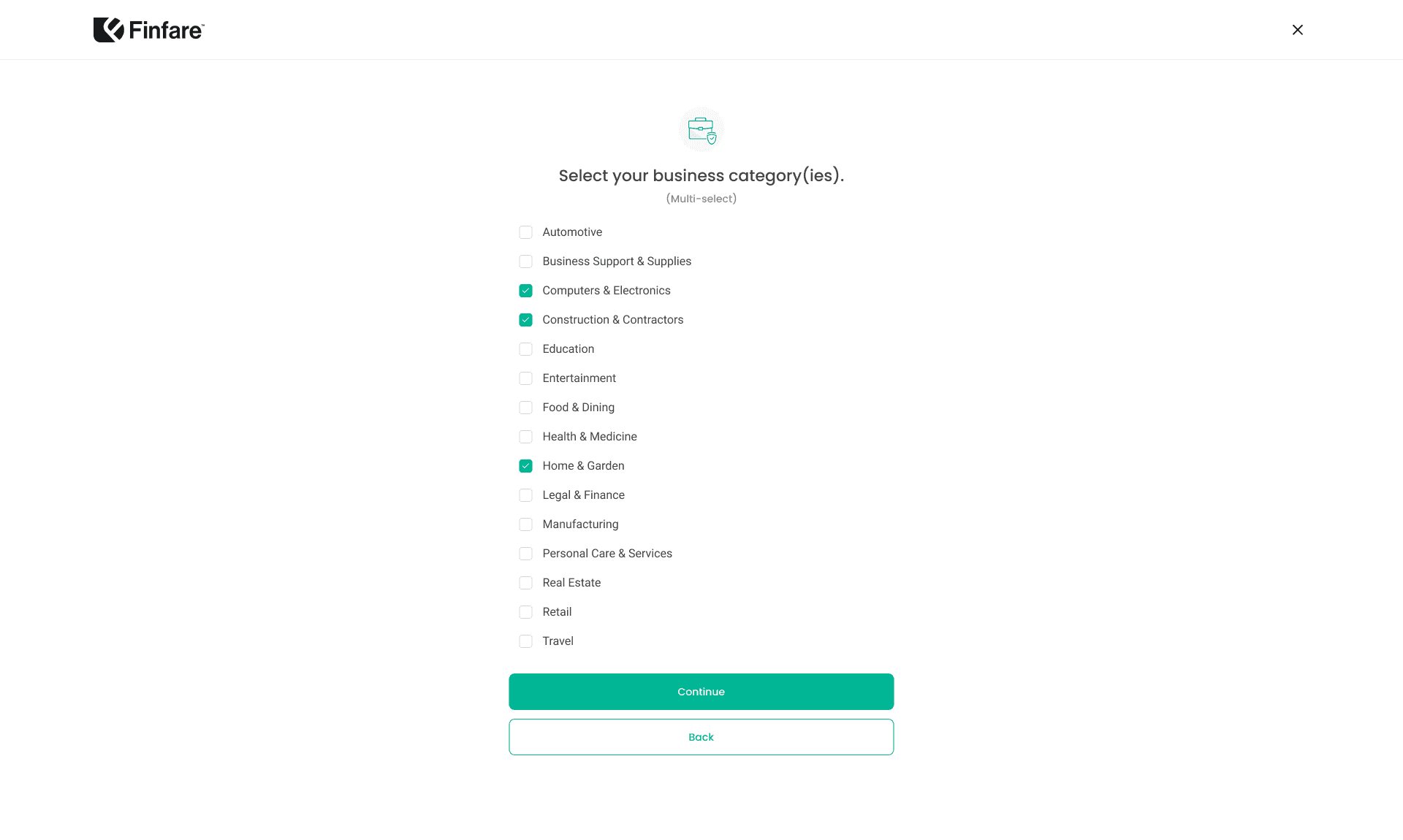
In the Business Information stage, advertisers provide essential details such as their business name, description, category, logo, and display images. We clarified labels, added inline guidance, and included examples to reduce confusion, helping users enter accurate information. Each input is designed to be understandable at a glance, so advertisers can complete this step confidently without needing extra support.

Step 4
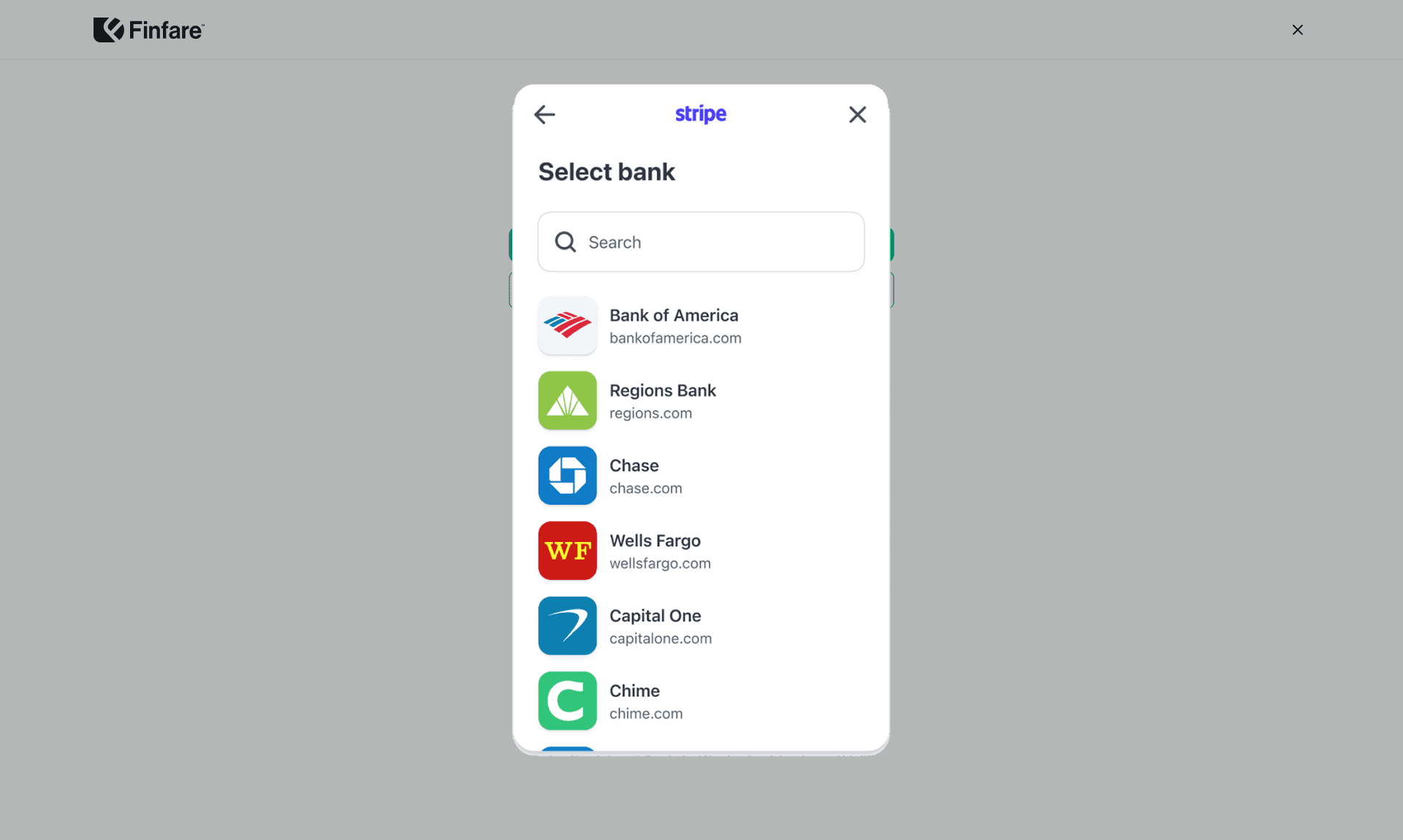
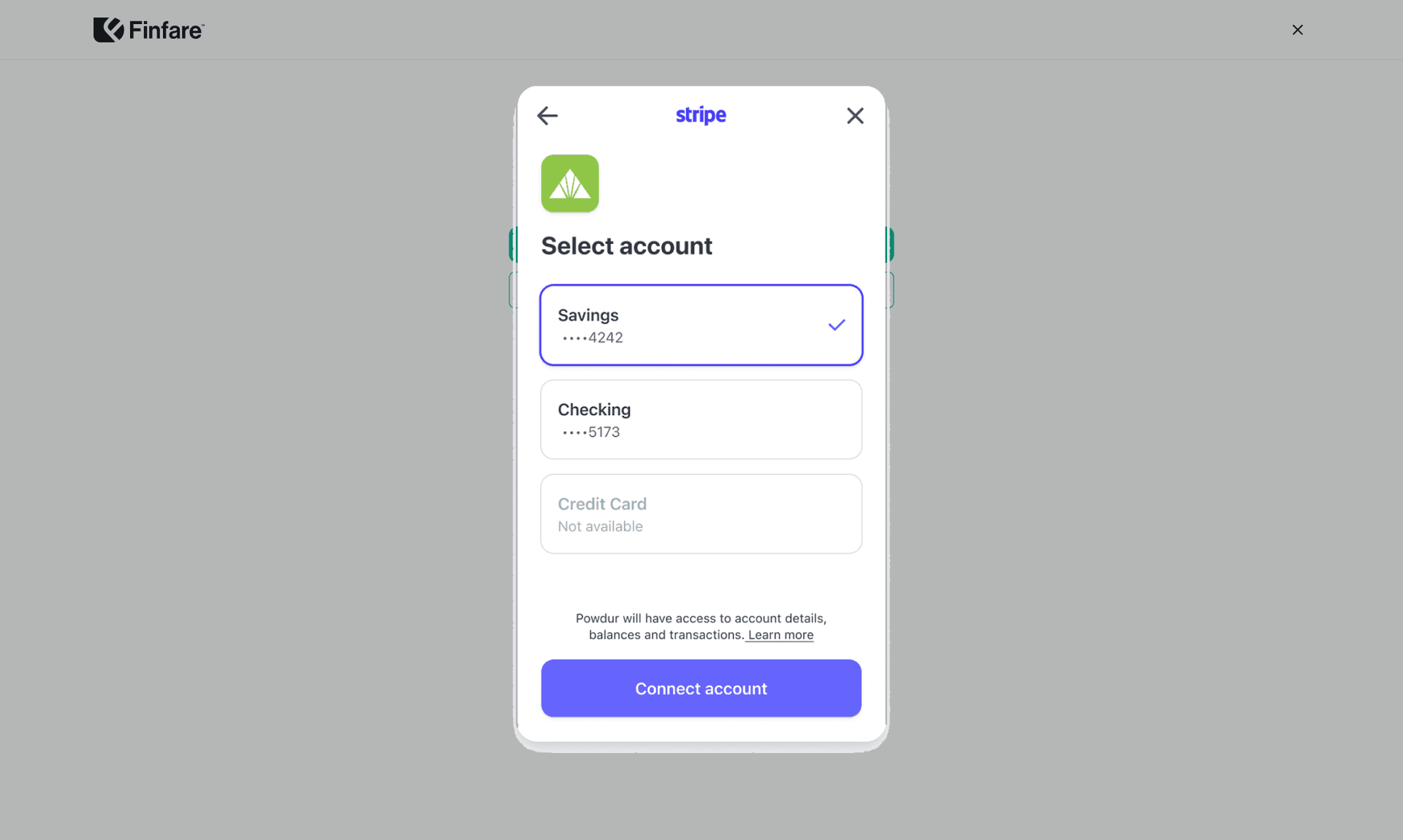
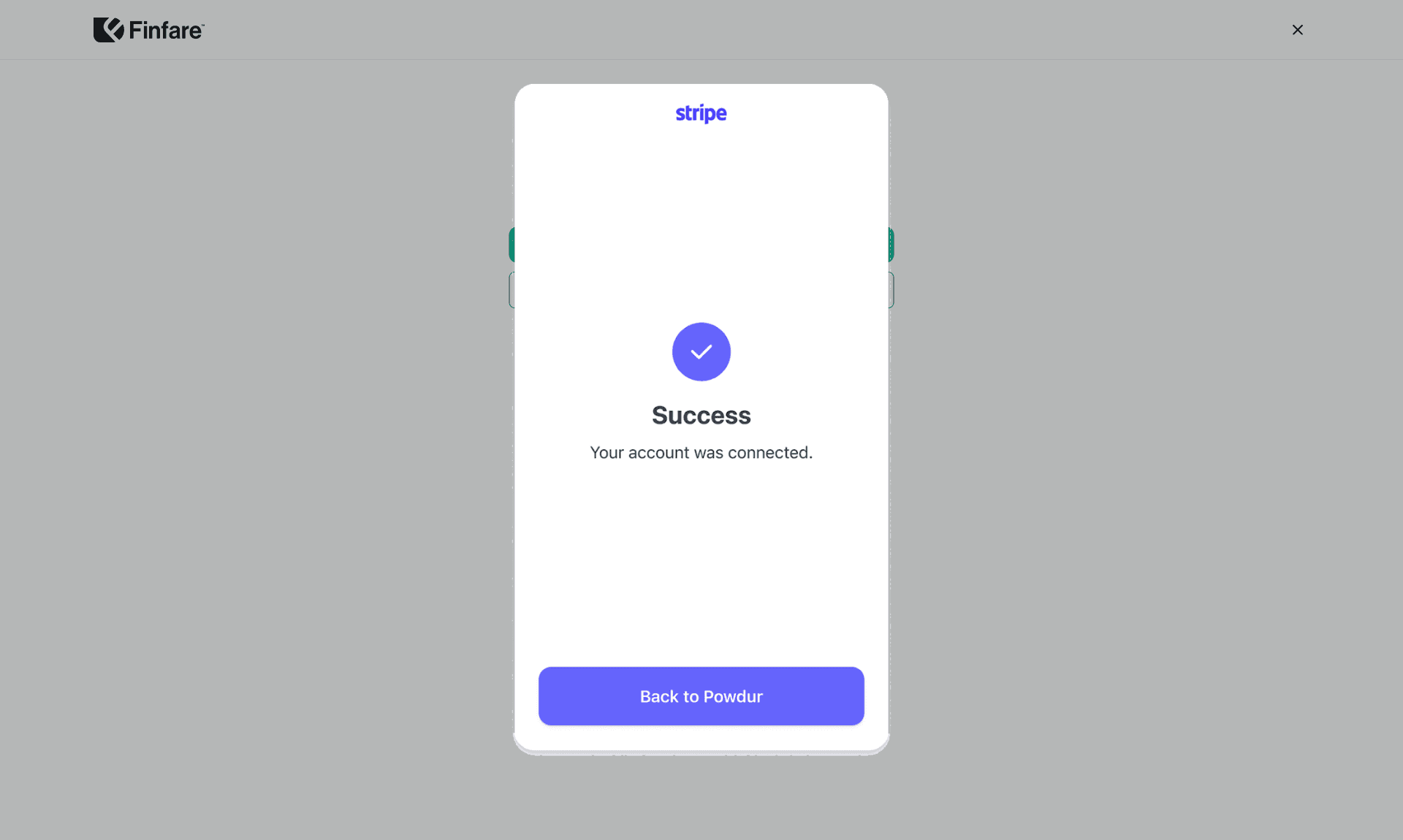
Billing & Banking
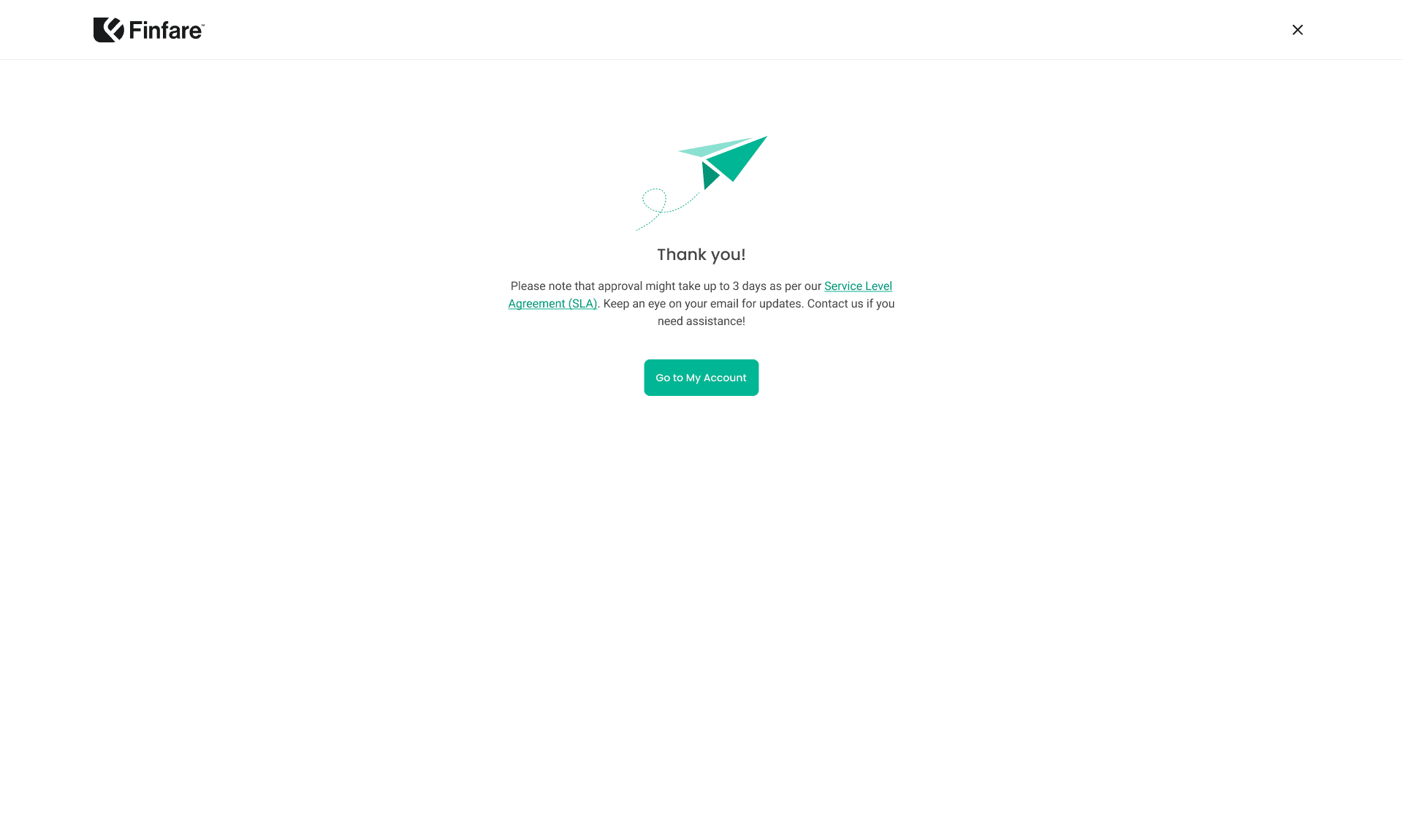
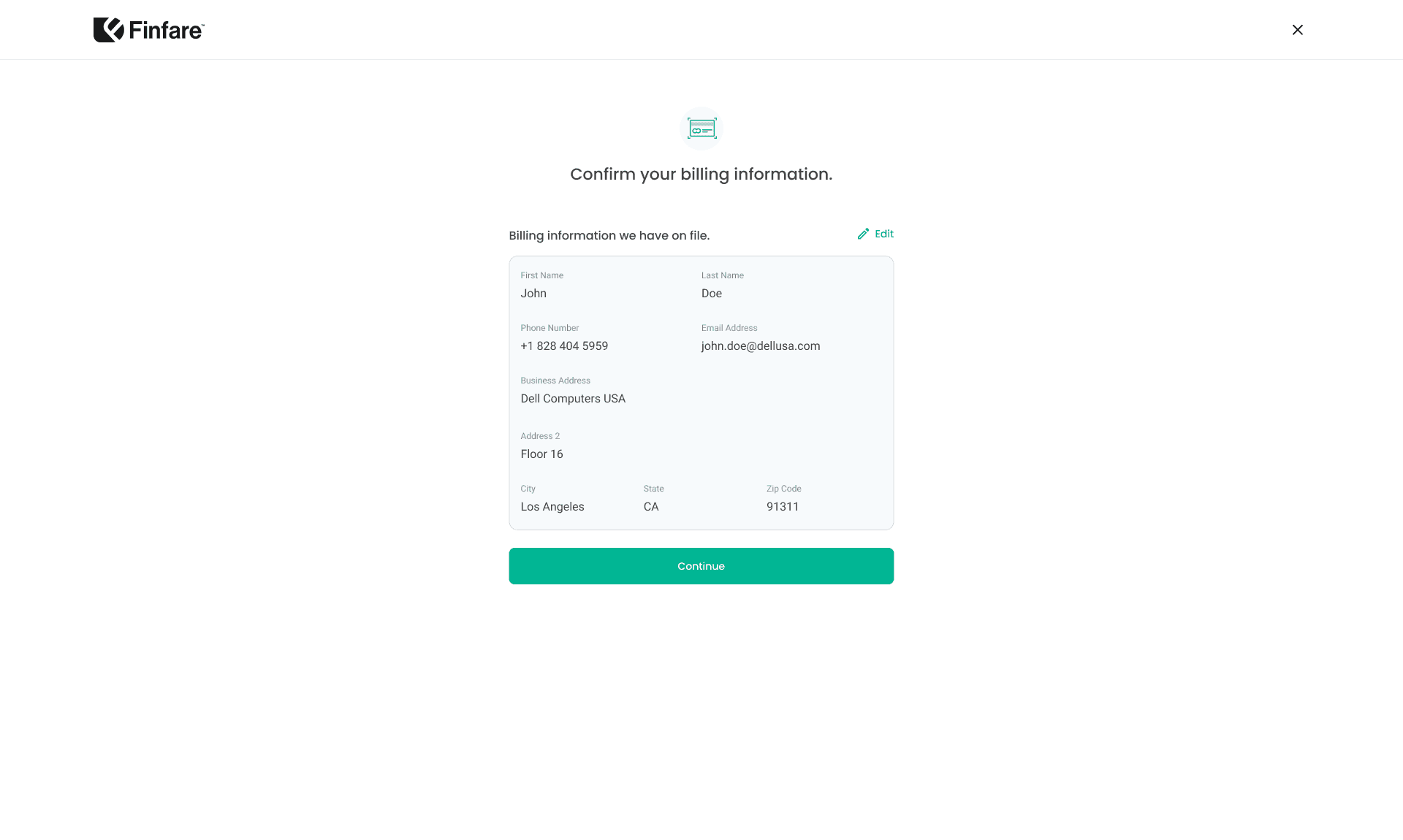
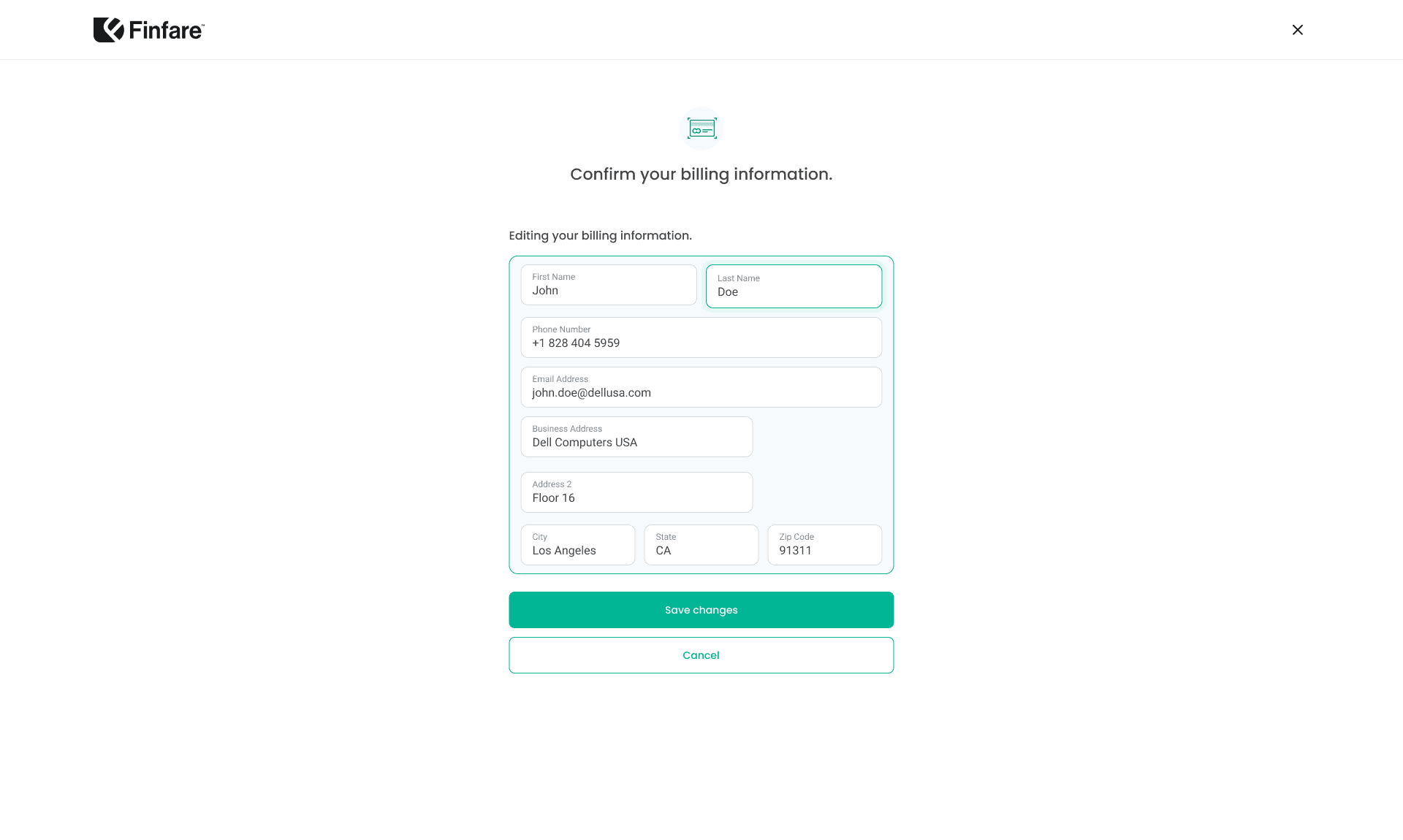
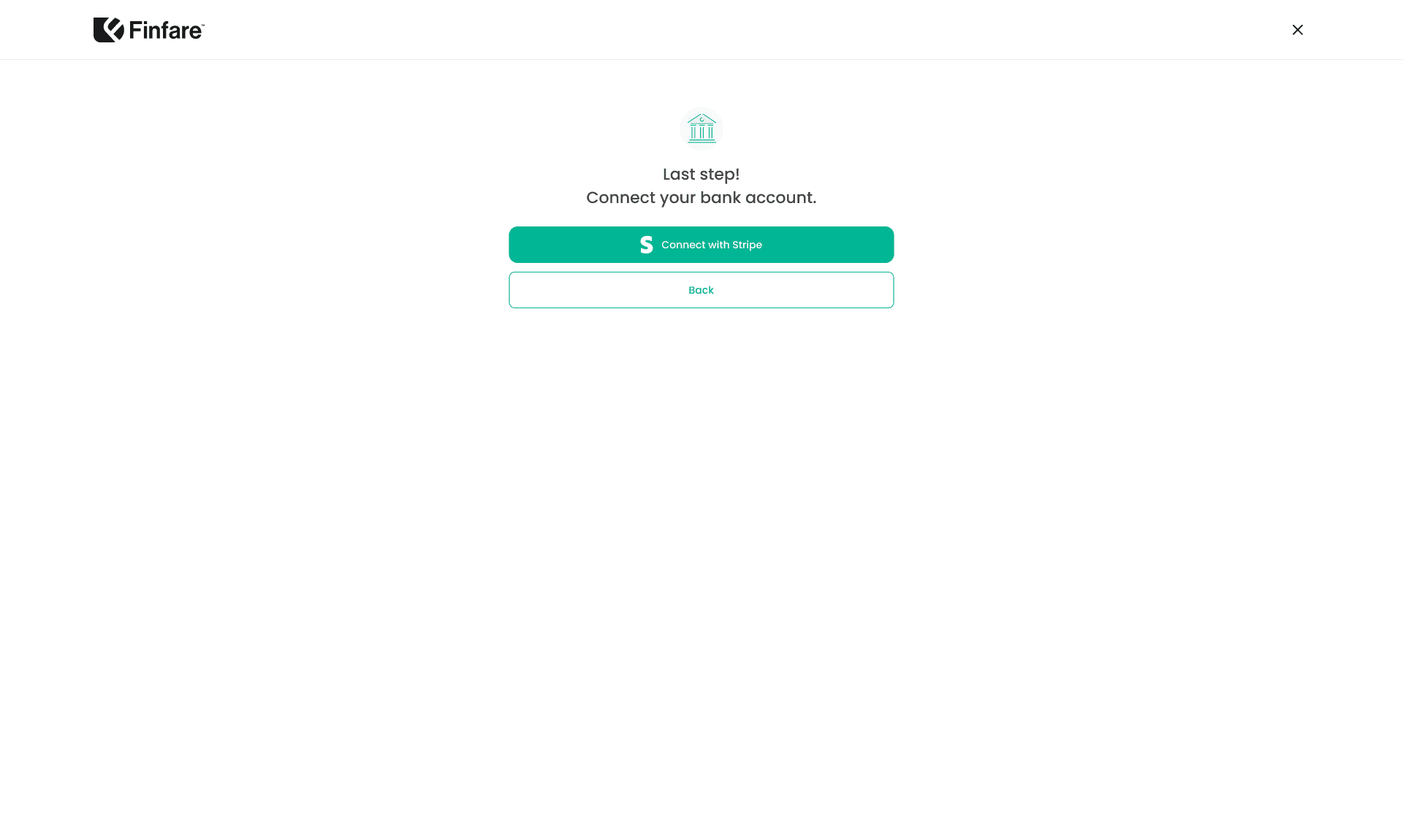
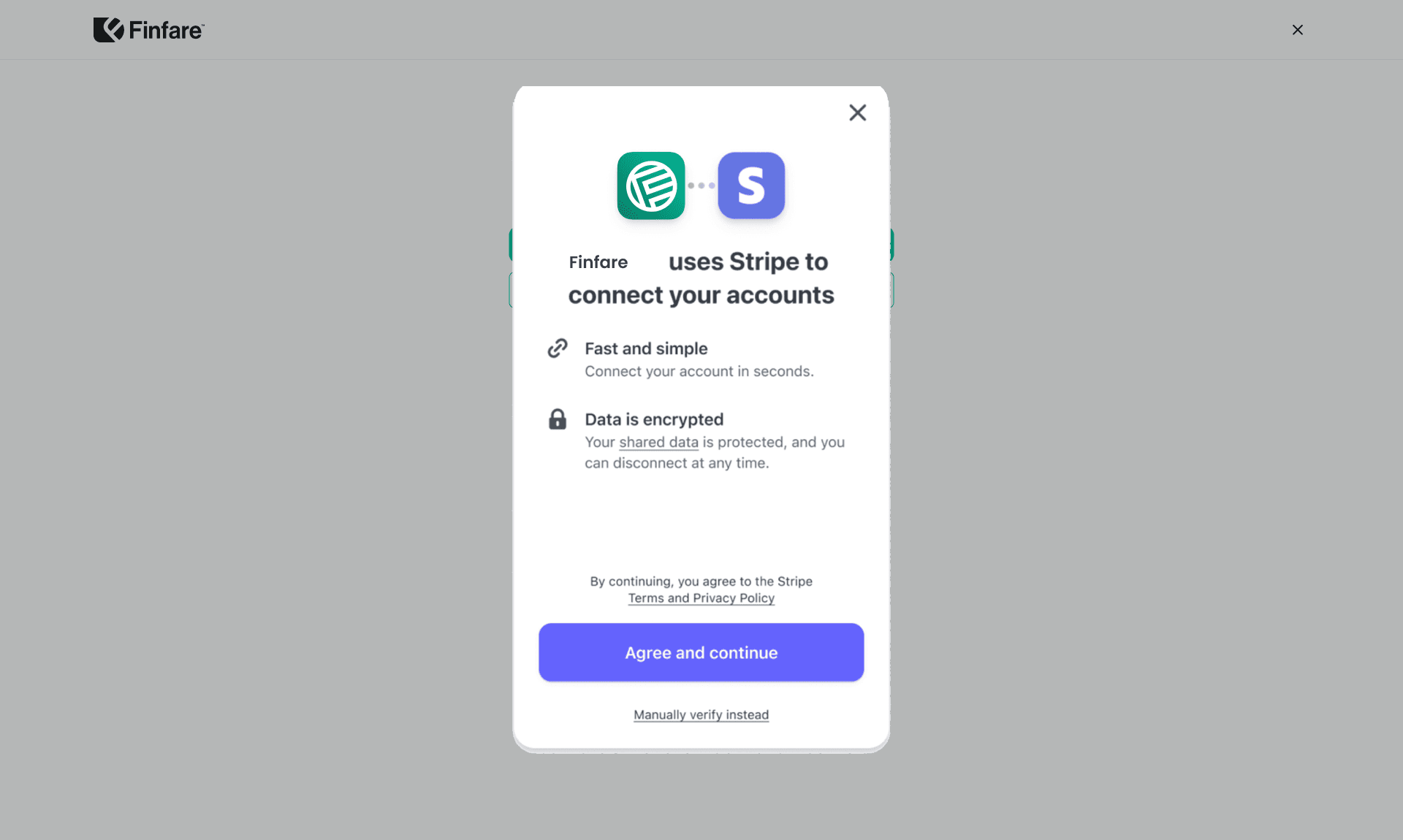
In the Billing and Banking stage, advertisers review their billing contact information, which is prefilled to save time and reduce errors, with the option to edit if needed. To complete setup, users securely link their bank account through Stripe. For existing Finfare Money users, this step is significantly faster—banking information can be connected with minimal effort, allowing them to move through this stage almost instantly.
Step 5
Create Offer
In the Create Offer stage, advertisers define the details of their promotion, upload images, and write descriptions. To reduce confusion and errors, we provide clear guidance for each input: suggested image sizes, examples of effective descriptions, and AI-assisted suggestions based on previously entered information. Users can preview their offer in real time, both as it will appear to customers and in a detailed view, ensuring accuracy before launch. The target CPA input is prefilled with recommended values, allows unit switching, and surfaces warnings when entries fall outside best practices, helping advertisers finalize their offer confidently.

Impact & Results
What impact we have?
Advertiser Adoption
The redesigned onboarding significantly improved advertiser acquisition. Approximately 800 new advertisers joined in the first month, with hundreds more onboarding each subsequent month. Existing Finfare Money users converted smoothly, reducing friction and accelerating adoption.
User Engagement & Efficiency
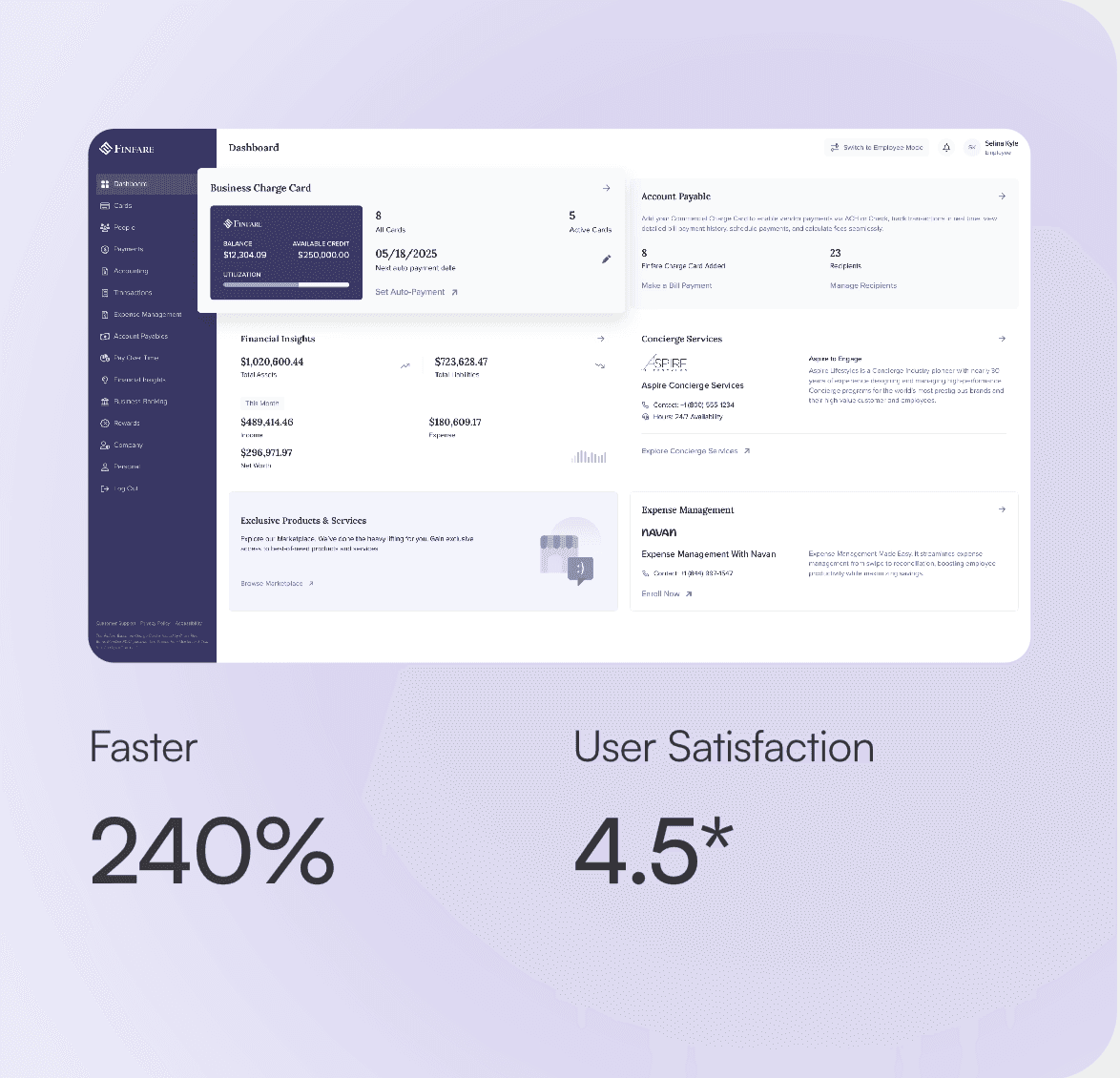
Drop-off at critical steps dropped by 40%, keeping more advertisers engaged through the onboarding process.
Onboarding completion speed increased by 63%, helping advertisers reach their first promotion faster.
Advertisers reported feeling more confident and less frustrated, particularly when completing complex fields like Offer Details and Target CPA.
Business Growth Potential
By improving onboarding for both new and existing users, Finfare Connect strengthened its advertiser base and set the stage for scaling campaigns across 28 publisher partners and millions of customers. Streamlined onboarding ensures that brands can start promoting efficiently, helping Connect realize its growth potential in the rewards ecosystem.
+63%
faster completion time, letting advertisers reach their first promotion more quickly
40%
reduction in drop-off at critical onboarding steps
+1k
new advertisers onboarded in the first month, with hundreds more joining every subsequent month
Reflection & Learnings
What I’d do differently next time
Design With Constraints Earlier
I focused heavily on clarity, guidance, and reducing friction, but budget sensitivity and real advertiser behavior were considered later in the process.
Next time, I would bring budget constraints and behavioral signals into the design phase earlier, so guidance, defaults, and recommendations feel intentional from the start—not corrective.
Align on Strategy Before Execution
While cross-functional collaboration happened throughout the project, earlier alignment with PM and business partners would have helped shape stronger design decisions upfront.
Starting with shared assumptions and success criteria would allow design to influence what we build, not just how it works.
Context
A critical first step for advertisers
Finfare Connect was built to help advertisers launch personalized, payment-linked promotions and distribute them across multiple publisher partners from a single platform. The team saw advertiser onboarding as the foundation of Finfare Connect. But getting started required advertisers to move through a complex, unfamiliar process. Even existing Finfare Money users were asked to complete the same steps as new advertisers, adding friction at a moment when clarity and momentum mattered most.
Overview
The Opportunity
Finfare acquired Network B, a card‑linked offers platform, expanding its reach in the fintech rewards ecosystem. Network B’s platform already connected over 28 publisher partners and enabled 4 million customers to access 700+ offers. The Connect platform presents a clear opportunity: to streamline advertiser onboarding, attract new brands, and convert existing Finfare Money users into Connect users, building on an established network with significant customer reach.
COMPANY
Finfare
ROLE
Lead Product Designer
TEAM
PM, Design, Eng, Data, Business Ops
TIMELINE
7 months
Previous Onboarding Flow
Business Goals
Simplifying Compliance + Reducing Drop-off
Advertiser onboarding had to balance simplicity with strict business and compliance requirements. The goal was to make advertiser onboarding easier to understand and faster to complete, without removing critical business and compliance requirements. At the same time, we aimed to reduce drop-off during onboarding, help advertisers reach their first promotion more quickly, and create a smoother conversion path for existing Finfare Money users compared to net-new advertisers.
VALIDATE ORIGINAL DESIGN
5x Complexity Design Problems
01/
High drop-off in a complex flow
The previous onboarding was a single, extremely long form that was difficult to complete. Data showed a ~65% drop-off rate, with average completion time around 46 minutes. Most advertisers abandoned the process at the critical “create offer” step, causing a significant loss of brand users.
65%
Drop-off rate
46 minutes
avg completion
02/
Complex offer creation
Advertiser offers included many conditions, and qualifications needed fast verification. Each field required careful input, but instructions and examples were missing, making many questions hard to understand. This led to frequent errors, frustration, and a heavier workload for customer support.
03/
No visibility or preview
After completing the form, advertisers had no way to see how their promotion would appear on the platform. There was no preview or editing opportunity, leaving users unsure about the final output. This uncertainty reduced confidence and slowed completion of critical tasks.
Offer preview layout
Offer preview layout
dense content
Endless forms
04/
Poor mobile experience
The mobile experience forced users to scroll through endless long forms with no save & exit option. Interruptions meant starting over, which further increased drop-off. Combined with dense content, this made onboarding painful and discouraging for mobile users.
05/
Information overload and lack of guidance
The visual layout presented dense, unstructured data with no hierarchy or visual aids. Users struggled to quickly understand questions, which slowed completion and increased errors. The lack of supportive UI elements, examples, or inline help made the process overwhelming.
Key Pain Points
What made onboarding tricky for advertisers
Advertiser onboarding was far from straightforward. As we mapped the journey from account creation to offer launch, it became clear that friction, uncertainty, and cognitive load increased at specific points — and these were the exact moments where drop-off peaked.
Where Confidence Started to Drop
That changed once users reached Business Info and Offer Details. These steps introduced heavier decisions, compliance-sensitive inputs, and terminology that wasn’t always intuitive. As effort increased, frustration grew — and this is where we saw the highest drop-off.
Hesitation Around Financial Commitment
Billing Contact sat somewhere in between. While fewer users dropped off, sentiment shifted to caution as advertisers slowed down to double-check financial details and implications before moving forward.
The Breaking Point
By the time users reached Create Offer, many had already invested significant time. Without a clear sense of how their offer would ultimately appear, confidence was at its lowest — making this the single highest drop-off point in the entire flow.
Across the journey, drop-off closely followed rising complexity and declining confidence. The more uncertain users felt about outcomes and correctness, the more likely they were to pause or leave.
Design Solutions
Here’s How We Approached It
Onboarding was confusing, and advertisers were dropping off at the steps that mattered most. So we asked ourselves: How can we make this process simple, clear, and even a little enjoyable?
🔧 Structuring the Flow
How Could We Make the Full Flow Clearer for Everyone?
We reorganized the full onboarding experience into three digestible modules.
Each module includes a visible progress indicator, allowing users to track completion and understand what’s coming next.
Breaking the flow into chunks reduced friction, improved clarity, and laid the groundwork for guiding users through the more complex steps ahead.
💡 This approach not only reduces cognitive load but also helps advertisers complete critical steps faster, lowers the chance of errors, and sets a smooth path toward creating their first offer.
🔧 Structuring the Flow
How Could We Make Money Users’ Onboarding Faster and Smoother?
Existing Finfare Money users faced friction when moving to Connect—they had to re-enter information they’d already provided, which created confusion and wasted time. Our first step was to identify opportunities to pre-fill fields and guide these users smoothly through the process.
💡 By skipping or auto-filling repetitive steps, Money users save ~10–15 minutes compared to new advertisers.
🙅 Reducing Confusion & Errors
Understanding Where Users Hesitate
To better understand why advertisers struggled with complex inputs, I conducted moderated online sessions with advertiser clients. I observed how they moved through the onboarding flow, recorded time spent on each step, and noted where they paused, asked questions, or expressed uncertainty.
These sessions revealed patterns that metrics alone couldn’t capture—users often hesitated not because the task was difficult, but because they feared making the wrong decision.
✍️ Moderated Research Insights from Advertiser Observation
“What’s the difference between these two names?”
Legal Business Name vs. Merchant Name
Advertisers consistently paused at the Business Information step, spending an average of 8 minutes discussing the difference between Legal Business Name and Merchant Name. While the legal name was generally familiar, the purpose and usage of Merchant Name were unclear, leading to hesitation and repeated back-and-forth conversations.
Insight
Ambiguous naming without contextual explanation creates unnecessary cognitive load and slows progression early in the flow.
✅ Our Solution
Added concise helper text to clearly differentiate Legal Business Name and Merchant Name.
Provided context on where and how each name would appear in the system.
Ensured users could complete this step confidently, reducing the need for clarification or back-and-forth discussion.
“Why am I being redirected to another website?”
Third-party OFAC check via Sardine
After submitting business information, advertisers were unexpectedly redirected to a third-party website to complete an OFAC check. This sudden transition caused confusion and concern, particularly around security, legitimacy, and whether they would be able to return to the onboarding flow.
Insight
Unannounced third-party steps disrupt trust and break the sense of a continuous onboarding experience.
✅ Our Solution
Added a clear prompt: “Click 'continue' to proceed with the OFAC check on Sardine. Sardine is a platform that allows you to quickly connect and ensures compliance with regulations.”
Explained what would happen after the check and reassured users they would return to the platform.
Reduced uncertainty and hesitation, helping advertisers continue smoothly without interruption.
"What image format should I upload? Where will this be used?"
Image upload requirements
Advertisers spent an average of 12 minutes discussing image-related questions, including file format, size limits, and usage context.
Although the upload process itself was technically smooth, the lack of guidance made users uncertain and reduced confidence in submitting the “right” assets.
Insight
When expectations are unclear, users hesitate—even when the interaction itself is frictionless.
✅ Our Solution
Added explicit instructions for image format, recommended size, and usage context directly at the upload step.
Provided real image examples and showed how uploaded images would appear in the live site preview.
Reduced hesitation and trial-and-error, allowing advertisers to confidently upload images and see exactly how they would display.
"What makes a good offer description?"
Writing offer copy
Advertisers often paused at this step, unsure how detailed or persuasive the offer description needed to be. Several users left the onboarding flow to consult external resources, including AI tools, before returning to complete the task.
Insight
Open-ended content creation without examples or guardrails interrupts momentum and increases cognitive effort.
✅ Our Solution
Displayed the previously entered offer title above the description input to provide context.
Added inline guidance: “Let's craft a detailed description of your offer, giving customers all the info they need to know…” to clarify expectations.
Introduced an AI-generated suggestion based on previously entered offer details. Initial engineering feedback highlighted integration complexity and potential latency issues, but after iteration, a lightweight AI integration was successfully implemented.
Helped advertisers write complete, clear descriptions without leaving the platform, reducing time and uncertainty.
Engineering Hurdle
During initial integration, AI suggestions relied on frequent API calls, which risked high latency and potential server load issues.
Collaborated closely with the engineering team to restructure the feature as a lightweight, on-demand module, enabling real-time AI suggestions without impacting onboarding performance.
“What is Target CPA, and how should we decide on ours?”
Performance metric setup
Target CPA required the longest discussion time among performance-related inputs, averaging 9 minutes.
Advertisers frequently searched for definitions, discussed calculation methods, or contacted teammates to confirm acceptable values.
Insight
Introducing advanced metrics without in-context education forces users outside the flow and delays completion.
✅ Our Solution
Added a clear, descriptive heading: “Knowing your target CPA helps us optimize advertising to fit your budget and acquisition objectives better. Increasing your CPA amount will enhance campaign performance and attract more publishers and customers.”
Renamed the input field to “My Cost Per Acquisition” for immediate clarity.
Prefilled a suggested CPA value to guide users and reduce hesitation.
Included an attention notice in orange: “Attention: The CPA you've entered is below our recommended minimum of 10%. Need help setting your CPA? Contact Support is here to help.”
Added a unit switcher allowing users to toggle between percentage and numeric input, giving flexibility and control.
Usability Testing & Validation
📝 From removing friction to building confidence
Before moving into final design, we needed to validate whether our solutions truly reduced friction—or simply shifted complexity elsewhere. Given that advertiser onboarding directly impacts activation and revenue, even small points of confusion could lead to drop-off or hesitation.
Our goal was not just to test usability, but to understand how advertisers think, hesitate, and decide throughout the onboarding journey.
Usability Testing & Validation
Phase 1: Internal validation — pressure-testing assumptions
Early alignment before scaling feedback
We began with internal walkthroughs alongside Product and Engineering to validate feasibility and edge cases across the full flow.
These sessions helped surface mismatches between:
how the system required information, and
how advertisers expected to provide it.
Key outcomes from this phase:
clarified labels and helper text for business and offer-related inputs
adjusted step sequencing to avoid asking users to commit before they felt ready
confirmed where previews and guidance could be added without increasing engineering complexity
This phase ensured we were solving real experience gaps, not just polishing UI.
Usability Testing & Validation
Phase 2: External usability testing
Observing hesitation, not just task completion
We then conducted usability testing with:
first-time advertisers, and
existing Money users onboarding into Connect.
Instead of focusing solely on success rates, we closely observed:
where users slowed down
when they reread instructions
when they verbally expressed uncertainty or left the page to seek reassurance
The most consistent friction emerged during offer creation—the longest and most cognitively demanding step.
While users could technically complete the form, many hesitated due to uncertainty about how their inputs would appear on the live site.
Iterations driven by testing insights
Based on these findings, I introduced several targeted design improvements:
Real-time offer preview
Advertisers can now see how their offer will appear to customers while creating it.
This shifted confidence-building earlier in the flow and reduced the need for dense explanations on the final review page.
Progress indicator for long steps
In the longest section of onboarding, a progress indicator was added to clearly communicate effort and remaining steps—helping users stay oriented and motivated.
Reduced cognitive load at confirmation
By resolving most uncertainty earlier, the final confirmation step became lighter and more decisive, encouraging completion rather than second-guessing.
Final Deisgn
🎨 What does the final advertiser onboarding experience look like?
Step 1
Create Account
For new advertisers, onboarding starts with account creation, MFA, and email verification. These steps are intentionally lightweight, allowing users to move forward before making deeper commitments.
Step 2
Business Infomation
Once verified, advertisers enter the Business Information stage. Here, they are guided through required legal and business details with clarified labels and inline explanations, helping reduce confusion around unfamiliar terminology.
Step 3
Offer Details
In the Business Information stage, advertisers provide essential details such as their business name, description, category, logo, and display images. We clarified labels, added inline guidance, and included examples to reduce confusion, helping users enter accurate information. Each input is designed to be understandable at a glance, so advertisers can complete this step confidently without needing extra support.
Step 4
Billing & Banking
In the Billing and Banking stage, advertisers review their billing contact information, which is prefilled to save time and reduce errors, with the option to edit if needed. To complete setup, users securely link their bank account through Stripe. For existing Finfare Money users, this step is significantly faster—banking information can be connected with minimal effort, allowing them to move through this stage almost instantly.
Step 5
Create Offer
In the Create Offer stage, advertisers define the details of their promotion, upload images, and write descriptions. To reduce confusion and errors, we provide clear guidance for each input: suggested image sizes, examples of effective descriptions, and AI-assisted suggestions based on previously entered information. Users can preview their offer in real time, both as it will appear to customers and in a detailed view, ensuring accuracy before launch. The target CPA input is prefilled with recommended values, allows unit switching, and surfaces warnings when entries fall outside best practices, helping advertisers finalize their offer confidently.
Impact & Results
What impact we have?
Advertiser Adoption
The redesigned onboarding significantly improved advertiser acquisition. Approximately 800 new advertisers joined in the first month, with hundreds more onboarding each subsequent month. Existing Finfare Money users converted smoothly, reducing friction and accelerating adoption.
User Engagement & Efficiency
Drop-off at critical steps dropped by 40%, keeping more advertisers engaged through the onboarding process.
Onboarding completion speed increased by 63%, helping advertisers reach their first promotion faster.
Advertisers reported feeling more confident and less frustrated, particularly when completing complex fields like Offer Details and Target CPA.
Business Growth Potential
By improving onboarding for both new and existing users, Finfare Connect strengthened its advertiser base and set the stage for scaling campaigns across 28 publisher partners and millions of customers. Streamlined onboarding ensures that brands can start promoting efficiently, helping Connect realize its growth potential in the rewards ecosystem.
+63%
faster completion time, letting advertisers reach their first promotion more quickly
40%
reduction in drop-off at critical onboarding steps
+1k
new advertisers onboarded in the first month, with hundreds more joining every subsequent month
Reflection & Learnings
What I’d do differently next time
Design With Constraints Earlier
I focused heavily on clarity, guidance, and reducing friction, but budget sensitivity and real advertiser behavior were considered later in the process.
Next time, I would bring budget constraints and behavioral signals into the design phase earlier, so guidance, defaults, and recommendations feel intentional from the start—not corrective.
Align on Strategy Before Execution
While cross-functional collaboration happened throughout the project, earlier alignment with PM and business partners would have helped shape stronger design decisions upfront.
Starting with shared assumptions and success criteria would allow design to influence what we build, not just how it works.
COMPANY
Finfare
ROLE
Product Designer
TEAM
PM (2), Compliance, Design(2), Eng
TIMELINE
3 x 2 week sprints
Overview
The Opportunity
Finfare acquired Network B, a card‑linked offers platform, expanding its reach in the fintech rewards ecosystem. Network B’s platform already connected over 28 publisher partners and enabled 4 million customers to access 700+ offers. The Connect platform presents a clear opportunity: to streamline advertiser onboarding, attract new brands, and convert existing Finfare Money users into Connect users, building on an established network with significant customer reach.
Context
A critical first step for advertisers
Finfare Connect was built to help advertisers launch personalized, payment-linked promotions and distribute them across multiple publisher partners from a single platform. The team saw advertiser onboarding as the foundation of Finfare Connect. But getting started required advertisers to move through a complex, unfamiliar process. Even existing Finfare Money users were asked to complete the same steps as new advertisers, adding friction at a moment when clarity and momentum mattered most.
Previous Onboarding Flow
Business Goals
Simplifying Compliance + Reducing Drop-off
Advertiser onboarding had to balance simplicity with strict business and compliance requirements. The goal was to make advertiser onboarding easier to understand and faster to complete, without removing critical business and compliance requirements. At the same time, we aimed to reduce drop-off during onboarding, help advertisers reach their first promotion more quickly, and create a smoother conversion path for existing Finfare Money users compared to net-new advertisers.
VALIDATE ORIGINAL DESIGN
5x Complexity Design Problems
01/
High drop-off in a complex flow
The previous onboarding was a single, extremely long form that was difficult to complete. Data showed a ~65% drop-off rate, with average completion time around 46 minutes. Most advertisers abandoned the process at the critical “create offer” step, causing a significant loss of brand users.
65%
Drop-off rate
46 minutes
avg completion
02/
Complex offer creation
Advertiser offers included many conditions, and qualifications needed fast verification. Each field required careful input, but instructions and examples were missing, making many questions hard to understand. This led to frequent errors, frustration, and a heavier workload for customer support.
03/
No visibility or preview
After completing the form, advertisers had no way to see how their promotion would appear on the platform. There was no preview or editing opportunity, leaving users unsure about the final output. This uncertainty reduced confidence and slowed completion of critical tasks.
Offer preview layout
Offer preview layout
dense content
Endless forms
04/
Poor mobile experience
The mobile experience forced users to scroll through endless long forms with no save & exit option. Interruptions meant starting over, which further increased drop-off. Combined with dense content, this made onboarding painful and discouraging for mobile users.
05/
Information overload and lack of guidance
The visual layout presented dense, unstructured data with no hierarchy or visual aids. Users struggled to quickly understand questions, which slowed completion and increased errors. The lack of supportive UI elements, examples, or inline help made the process overwhelming.
Key Pain Points
What made onboarding tricky for advertisers
We collaborated with the PM and Data Team to understand how advertisers moved through the onboarding flow. We examined drop-off rates at each step, average time spent per input, and patterns of errors or incomplete submissions.
By comparing these metrics across steps, we could pinpoint where users struggled most. The analysis revealed that Business Info, Offer Details, and Create Offer consistently showed the highest friction and longest completion times, indicating critical areas for design improvement.
Where Confidence Started to Drop
That changed once users reached Business Info and Offer Details. These steps introduced heavier decisions, compliance-sensitive inputs, and terminology that wasn’t always intuitive. As effort increased, frustration grew — and this is where we saw the highest drop-off.
Hesitation Around Financial Commitment
Billing Contact sat somewhere in between. While fewer users dropped off, sentiment shifted to caution as advertisers slowed down to double-check financial details and implications before moving forward.
The Breaking Point
By the time users reached Create Offer, many had already invested significant time. Without a clear sense of how their offer would ultimately appear, confidence was at its lowest — making this the single highest drop-off point in the entire flow.
Across the journey, drop-off closely followed rising complexity and declining confidence. The more uncertain users felt about outcomes and correctness, the more likely they were to pause or leave.
Design Solutions
Here’s How We Approached It
Onboarding was confusing, and advertisers were dropping off at the steps that mattered most. So we asked ourselves: How can we make this process simple, clear, and even a little enjoyable?
🔧 Structuring the Flow
How Could We Make the Full Flow Clearer for Everyone?
Beyond optimizing for Money users, we reorganized the full onboarding experience into three digestible modules.
Each module includes a visible progress indicator, allowing users to track completion and understand what’s coming next.
Breaking the flow into chunks reduced friction, improved clarity, and laid the groundwork for guiding users through the more complex steps ahead.
💡 This approach not only reduces cognitive load but also helps advertisers complete critical steps faster, lowers the chance of errors, and sets a smooth path toward creating their first offer.
🔧 Structuring the Flow
How Could We Make Money Users’ Onboarding Faster and Smoother?
Existing Finfare Money users faced friction when moving to Connect—they had to re-enter information they’d already provided, which created confusion and wasted time. Our first step was to identify opportunities to pre-fill fields and guide these users smoothly through the process.
💡 By skipping or auto-filling repetitive steps, Money users save ~10–15 minutes compared to new advertisers.
🙅 Reducing Confusion & Errors
Understanding Where Users Hesitate
To better understand why advertisers struggled with complex inputs, I conducted moderated online sessions with advertiser clients. I observed how they moved through the onboarding flow, recorded time spent on each step, and noted where they paused, asked questions, or expressed uncertainty.
These sessions revealed patterns that metrics alone couldn’t capture—users often hesitated not because the task was difficult, but because they feared making the wrong decision.
✍️ Moderated Research Insights from Advertiser Observation
“What’s the difference between these two names?”
Legal Business Name vs. Merchant Name
Advertisers consistently paused at the Business Information step, spending an average of 8 minutes discussing the difference between Legal Business Name and Merchant Name. While the legal name was generally familiar, the purpose and usage of Merchant Name were unclear, leading to hesitation and repeated back-and-forth conversations.
Insight
Ambiguous naming without contextual explanation creates unnecessary cognitive load and slows progression early in the flow.
✅ Our Solution
Added concise helper text to clearly differentiate Legal Business Name and Merchant Name.
Provided context on where and how each name would appear in the system.
Ensured users could complete this step confidently, reducing the need for clarification or back-and-forth discussion.
“Why am I being redirected to another website?”
Third-party OFAC check via Sardine
After submitting business information, advertisers were unexpectedly redirected to a third-party website to complete an OFAC check. This sudden transition caused confusion and concern, particularly around security, legitimacy, and whether they would be able to return to the onboarding flow.
Insight
Unannounced third-party steps disrupt trust and break the sense of a continuous onboarding experience.
✅ Our Solution
Added a clear prompt: “Click 'continue' to proceed with the OFAC check on Sardine. Sardine is a platform that allows you to quickly connect and ensures compliance with regulations.”
Explained what would happen after the check and reassured users they would return to the platform.
Reduced uncertainty and hesitation, helping advertisers continue smoothly without interruption.
"What image format should I upload? Where will this be used?"
Image upload requirements
Advertisers spent an average of 12 minutes discussing image-related questions, including file format, size limits, and usage context.
Although the upload process itself was technically smooth, the lack of guidance made users uncertain and reduced confidence in submitting the “right” assets.
Insight
When expectations are unclear, users hesitate—even when the interaction itself is frictionless.
✅ Our Solution
Added explicit instructions for image format, recommended size, and usage context directly at the upload step.
Provided real image examples and showed how uploaded images would appear in the live site preview.
Reduced hesitation and trial-and-error, allowing advertisers to confidently upload images and see exactly how they would display.
"What makes a good offer description?"
Writing offer copy
Advertisers often paused at this step, unsure how detailed or persuasive the offer description needed to be. Several users left the onboarding flow to consult external resources, including AI tools, before returning to complete the task.
Insight
Open-ended content creation without examples or guardrails interrupts momentum and increases cognitive effort.
✅ Our Solution
Displayed the previously entered offer title above the description input to provide context.
Added inline guidance: “Let's craft a detailed description of your offer, giving customers all the info they need to know…” to clarify expectations.
Introduced an AI-generated suggestion based on previously entered offer details. Initial engineering feedback highlighted integration complexity and potential latency issues, but after iteration, a lightweight AI integration was successfully implemented.
Helped advertisers write complete, clear descriptions without leaving the platform, reducing time and uncertainty.
Engineering Hurdle
During initial integration, AI suggestions relied on frequent API calls, which risked high latency and potential server load issues.
Collaborated closely with the engineering team to restructure the feature as a lightweight, on-demand module, enabling real-time AI suggestions without impacting onboarding performance.
“What is Target CPA, and how should we decide on ours?”
Performance metric setup
Target CPA required the longest discussion time among performance-related inputs, averaging 9 minutes.
Advertisers frequently searched for definitions, discussed calculation methods, or contacted teammates to confirm acceptable values.
Insight
Introducing advanced metrics without in-context education forces users outside the flow and delays completion.
✅ Our Solution
Added a clear, descriptive heading: “Knowing your target CPA helps us optimize advertising to fit your budget and acquisition objectives better. Increasing your CPA amount will enhance campaign performance and attract more publishers and customers.”
Renamed the input field to “My Cost Per Acquisition” for immediate clarity.
Prefilled a suggested CPA value to guide users and reduce hesitation.
Included an attention notice in orange: “Attention: The CPA you've entered is below our recommended minimum of 10%. Need help setting your CPA? Contact Support is here to help.”
Added a unit switcher allowing users to toggle between percentage and numeric input, giving flexibility and control.
Usability Testing & Validation
📝 From removing friction to building confidence
Before moving into final design, we needed to validate whether our solutions truly reduced friction—or simply shifted complexity elsewhere. Given that advertiser onboarding directly impacts activation and revenue, even small points of confusion could lead to drop-off or hesitation.
Our goal was not just to test usability, but to understand how advertisers think, hesitate, and decide throughout the onboarding journey.
Usability Testing & Validation
Phase 1: Internal validation — pressure-testing assumptions
Early alignment before scaling feedback
We began with internal walkthroughs alongside Product and Engineering to validate feasibility and edge cases across the full flow.
These sessions helped surface mismatches between:
how the system required information, and
how advertisers expected to provide it.
Key outcomes from this phase:
clarified labels and helper text for business and offer-related inputs
adjusted step sequencing to avoid asking users to commit before they felt ready
confirmed where previews and guidance could be added without increasing engineering complexity
This phase ensured we were solving real experience gaps, not just polishing UI.
Usability Testing & Validation
Phase 2: External usability testing
Observing hesitation, not just task completion
We then conducted usability testing with:
first-time advertisers, and
existing Money users onboarding into Connect.
Instead of focusing solely on success rates, we closely observed:
where users slowed down
when they reread instructions
when they verbally expressed uncertainty or left the page to seek reassurance
The most consistent friction emerged during offer creation—the longest and most cognitively demanding step.
While users could technically complete the form, many hesitated due to uncertainty about how their inputs would appear on the live site.
Iterations driven by testing insights
Based on these findings, I introduced several targeted design improvements:
Real-time offer preview
Advertisers can now see how their offer will appear to customers while creating it.
This shifted confidence-building earlier in the flow and reduced the need for dense explanations on the final review page.
Progress indicator for long steps
In the longest section of onboarding, a progress indicator was added to clearly communicate effort and remaining steps—helping users stay oriented and motivated.
Reduced cognitive load at confirmation
By resolving most uncertainty earlier, the final confirmation step became lighter and more decisive, encouraging completion rather than second-guessing.
Final Deisgn
🎨 What does the final advertiser onboarding experience look like?
Step 1
Create Account
For new advertisers, onboarding starts with account creation, MFA, and email verification. These steps are intentionally lightweight, allowing users to move forward before making deeper commitments.
Step 2
Business Infomation
Once verified, advertisers enter the Business Information stage. Here, they are guided through required legal and business details with clarified labels and inline explanations, helping reduce confusion around unfamiliar terminology.
Step 3
Offer Details
In the Business Information stage, advertisers provide essential details such as their business name, description, category, logo, and display images. We clarified labels, added inline guidance, and included examples to reduce confusion, helping users enter accurate information. Each input is designed to be understandable at a glance, so advertisers can complete this step confidently without needing extra support.
Step 4
Billing & Banking
In the Billing and Banking stage, advertisers review their billing contact information, which is prefilled to save time and reduce errors, with the option to edit if needed. To complete setup, users securely link their bank account through Stripe. For existing Finfare Money users, this step is significantly faster—banking information can be connected with minimal effort, allowing them to move through this stage almost instantly.
Step 5
Create Offer
In the Create Offer stage, advertisers define the details of their promotion, upload images, and write descriptions. To reduce confusion and errors, we provide clear guidance for each input: suggested image sizes, examples of effective descriptions, and AI-assisted suggestions based on previously entered information. Users can preview their offer in real time, both as it will appear to customers and in a detailed view, ensuring accuracy before launch. The target CPA input is prefilled with recommended values, allows unit switching, and surfaces warnings when entries fall outside best practices, helping advertisers finalize their offer confidently.
Impact & Results
What impact we have?
Advertiser Adoption
The redesigned onboarding significantly improved advertiser acquisition. Approximately 800 new advertisers joined in the first month, with hundreds more onboarding each subsequent month. Existing Finfare Money users converted smoothly, reducing friction and accelerating adoption.
User Engagement & Efficiency
Drop-off at critical steps dropped by 40%, keeping more advertisers engaged through the onboarding process.
Onboarding completion speed increased by 63%, helping advertisers reach their first promotion faster.
Advertisers reported feeling more confident and less frustrated, particularly when completing complex fields like Offer Details and Target CPA.
Business Growth Potential
By improving onboarding for both new and existing users, Finfare Connect strengthened its advertiser base and set the stage for scaling campaigns across 28 publisher partners and millions of customers. Streamlined onboarding ensures that brands can start promoting efficiently, helping Connect realize its growth potential in the rewards ecosystem.
+63%
faster completion time, letting advertisers reach their first promotion more quickly
40%
reduction in drop-off at critical onboarding steps
+1k
new advertisers onboarded in the first month, with hundreds more joining every subsequent month
Reflection & Learnings
What I’d do differently next time
Design With Constraints Earlier
I focused heavily on clarity, guidance, and reducing friction, but budget sensitivity and real advertiser behavior were considered later in the process.
Next time, I would bring budget constraints and behavioral signals into the design phase earlier, so guidance, defaults, and recommendations feel intentional from the start—not corrective.
Align on Strategy Before Execution
While cross-functional collaboration happened throughout the project, earlier alignment with PM and business partners would have helped shape stronger design decisions upfront.
Starting with shared assumptions and success criteria would allow design to influence what we build, not just how it works.